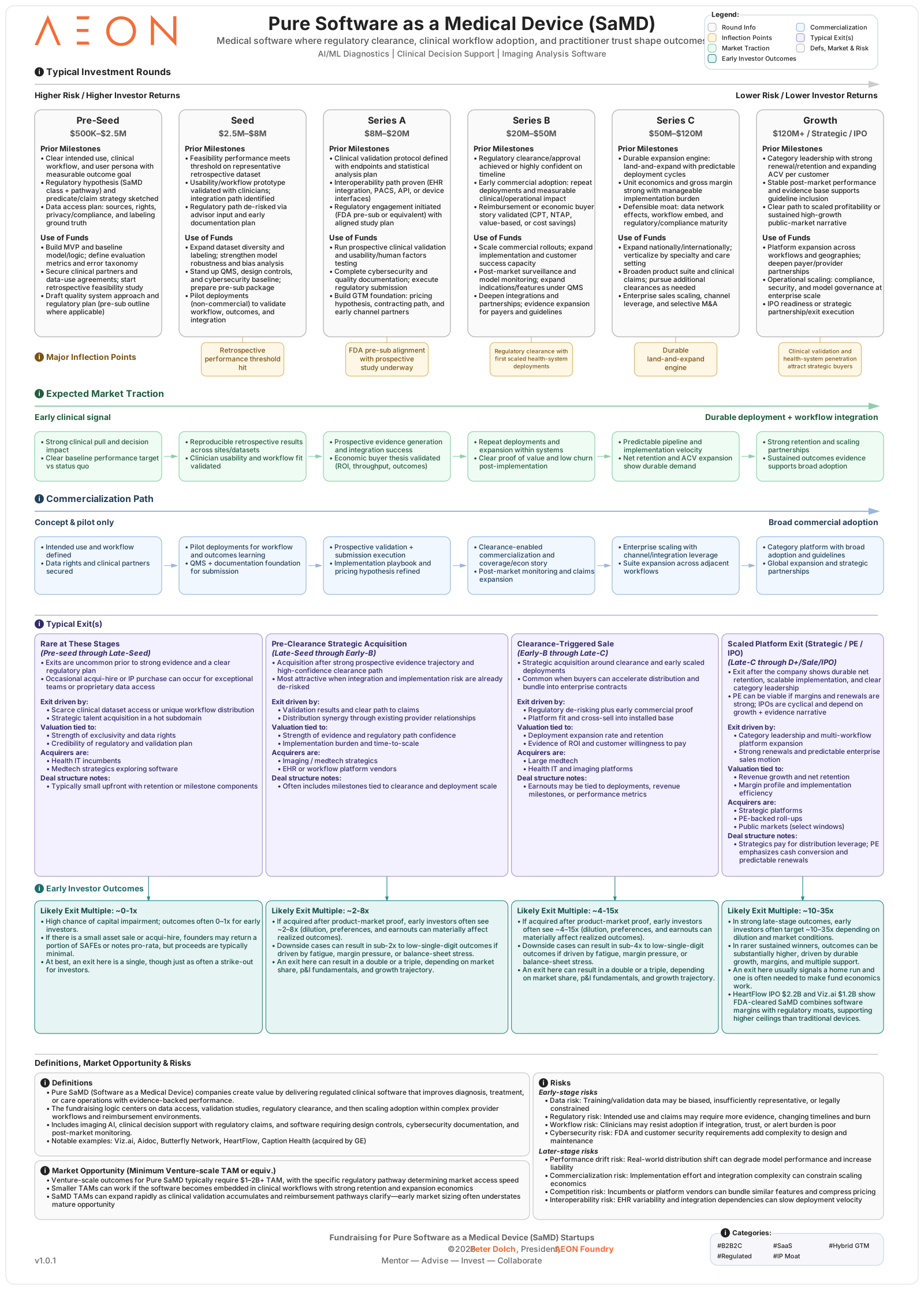
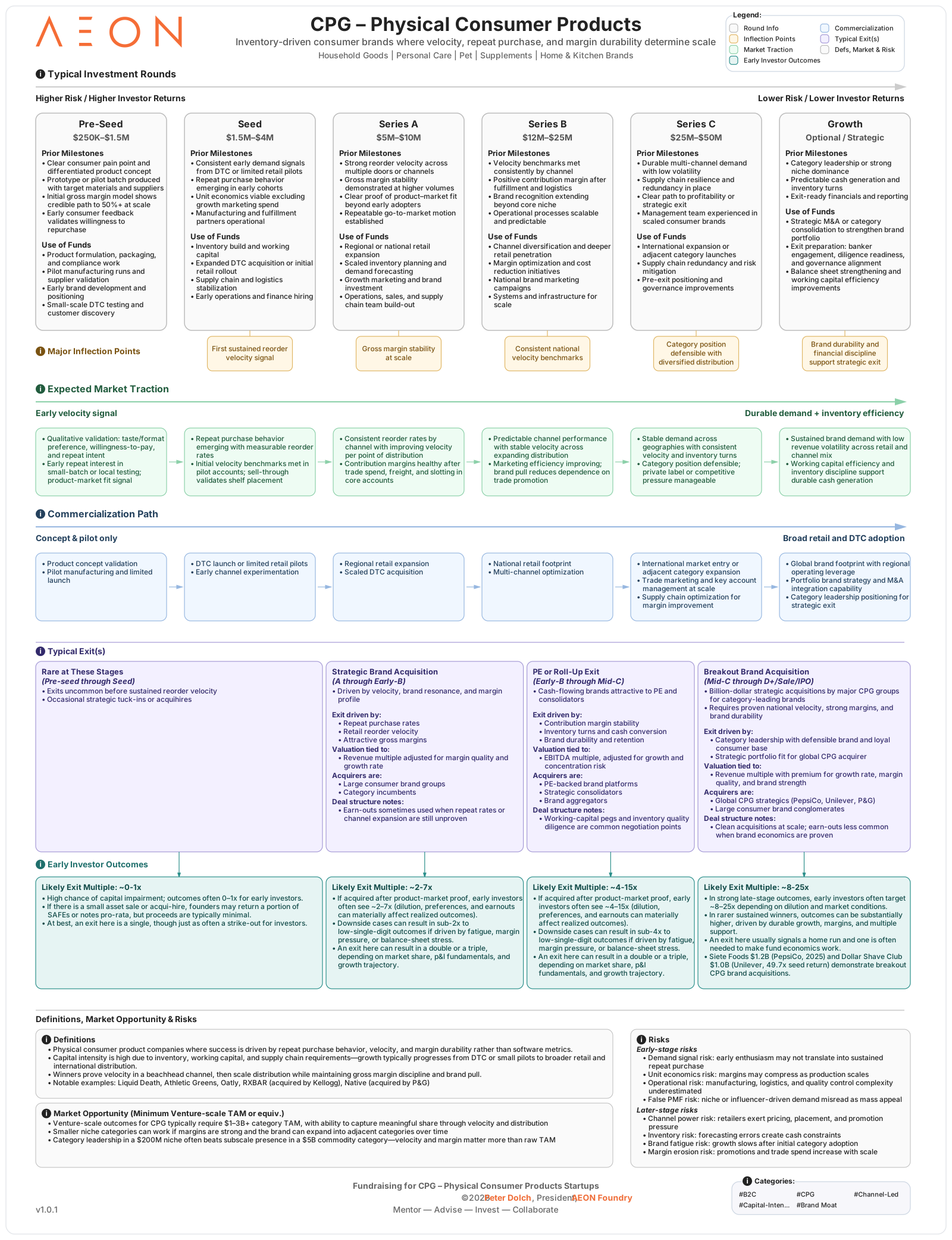
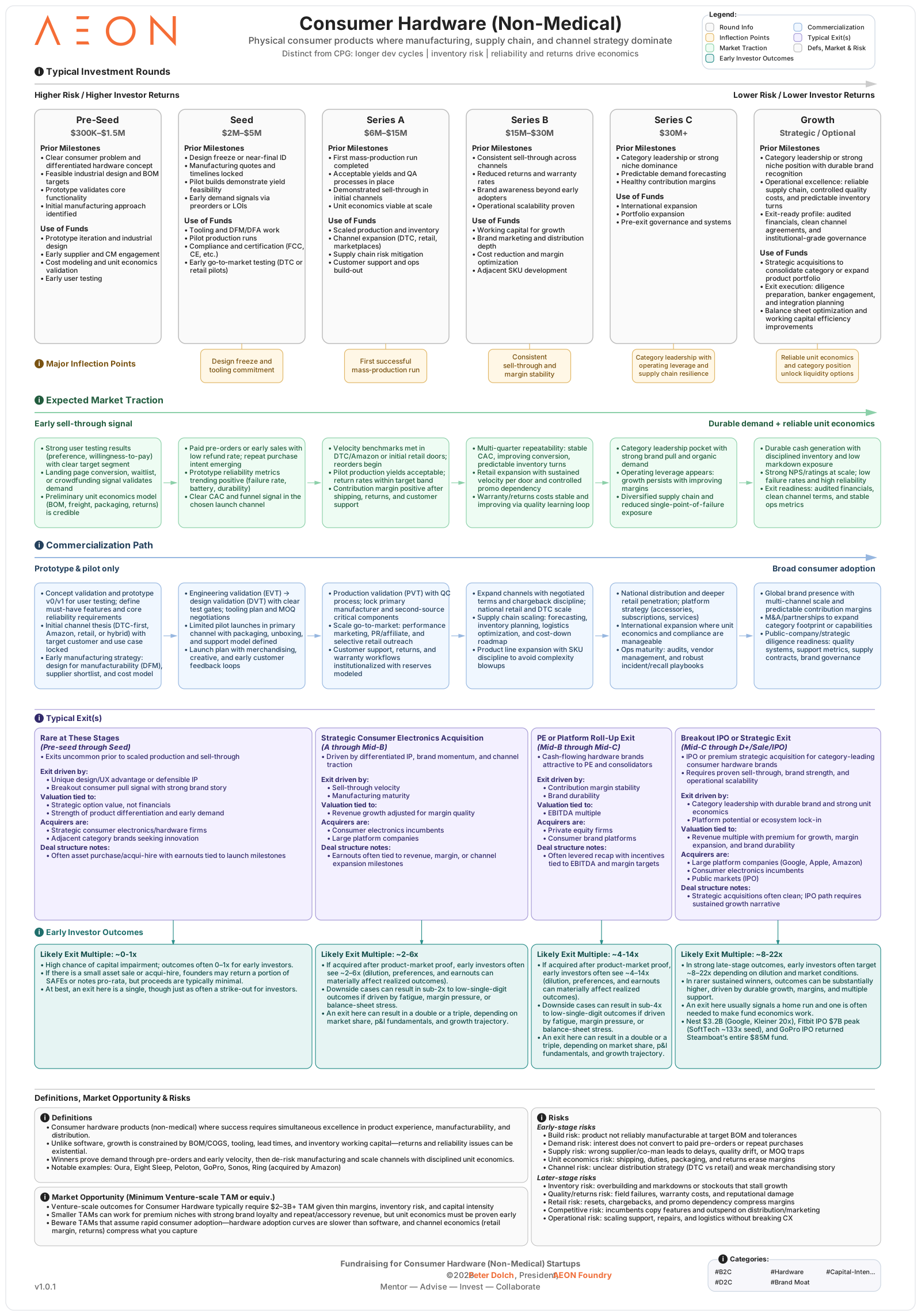
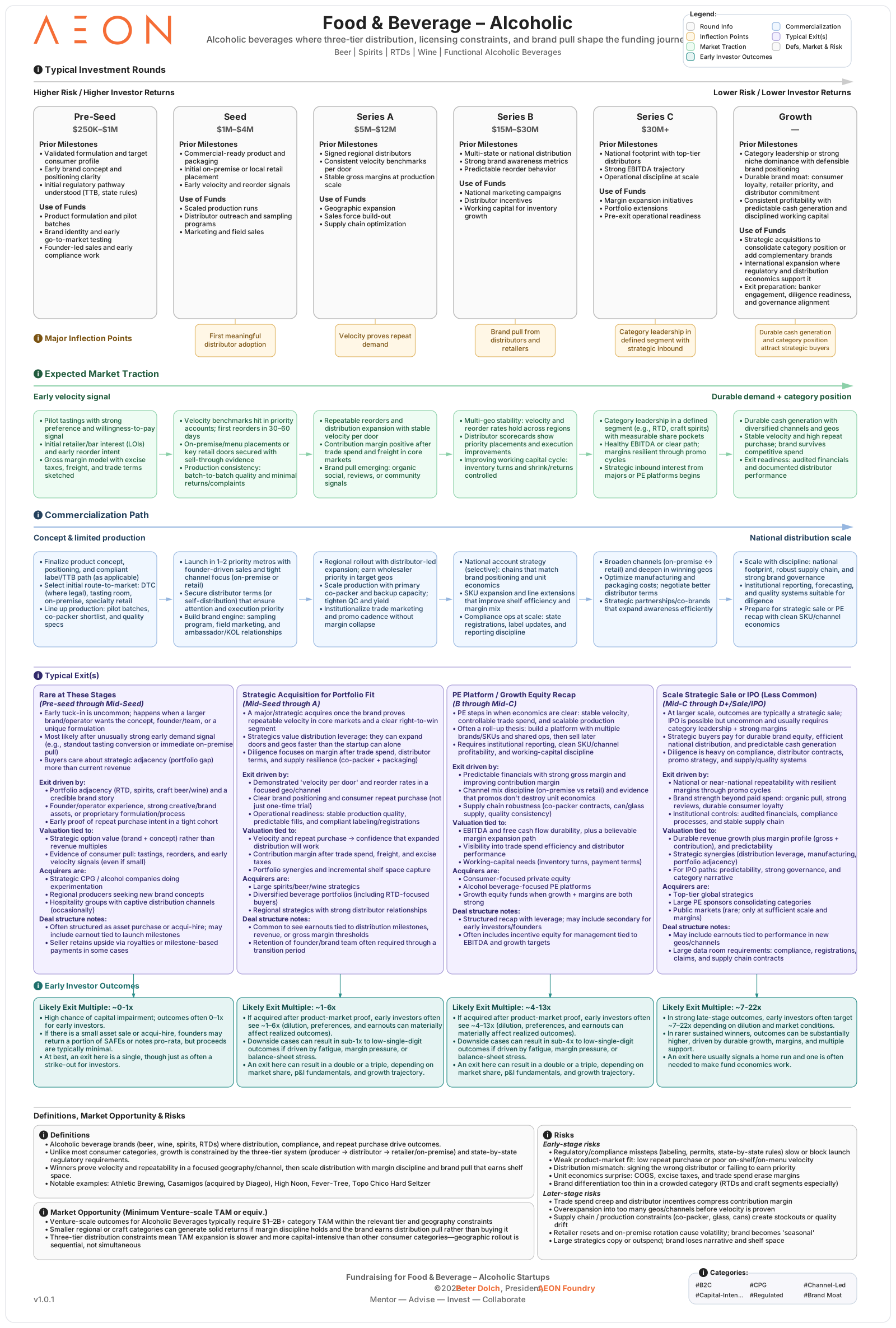
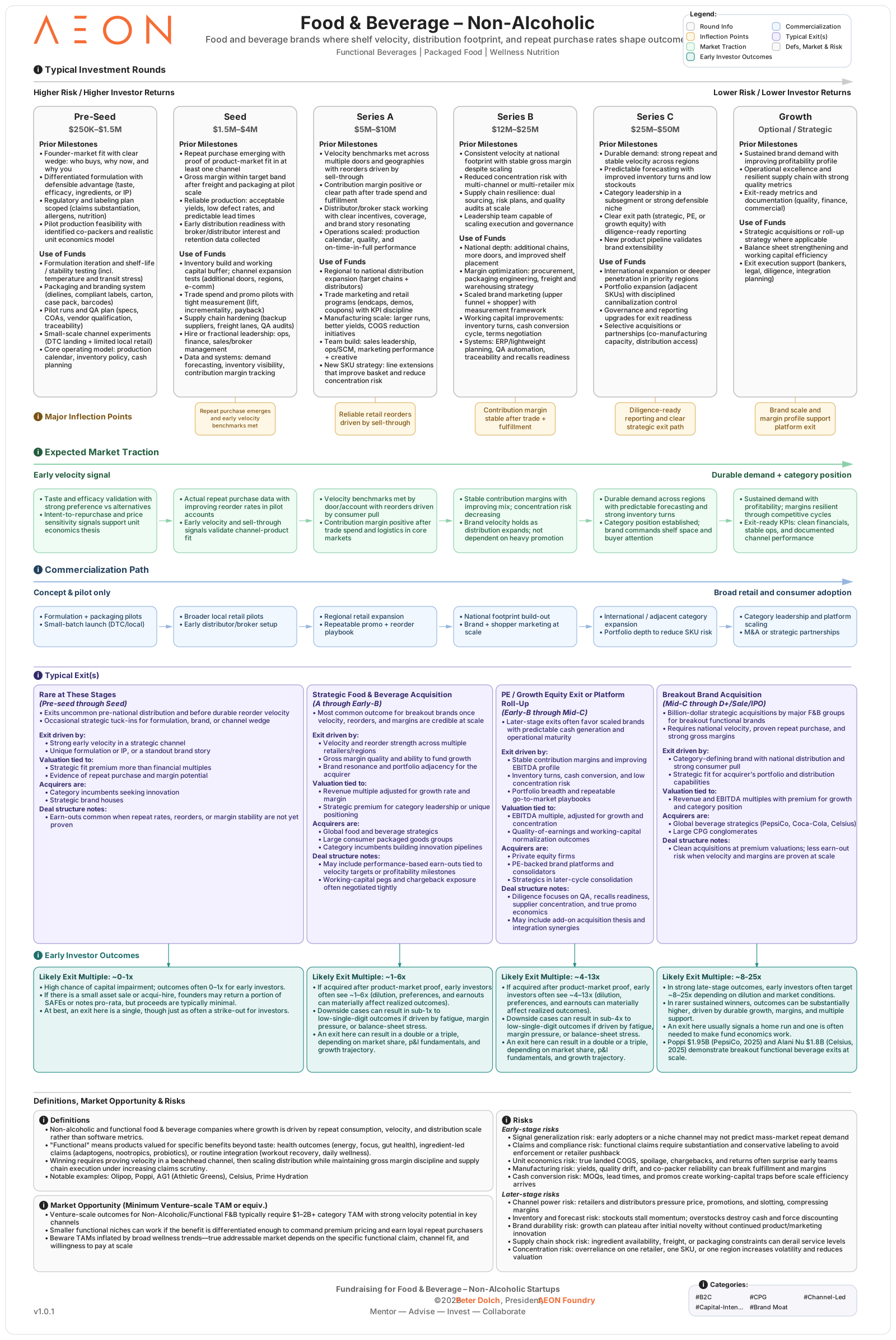
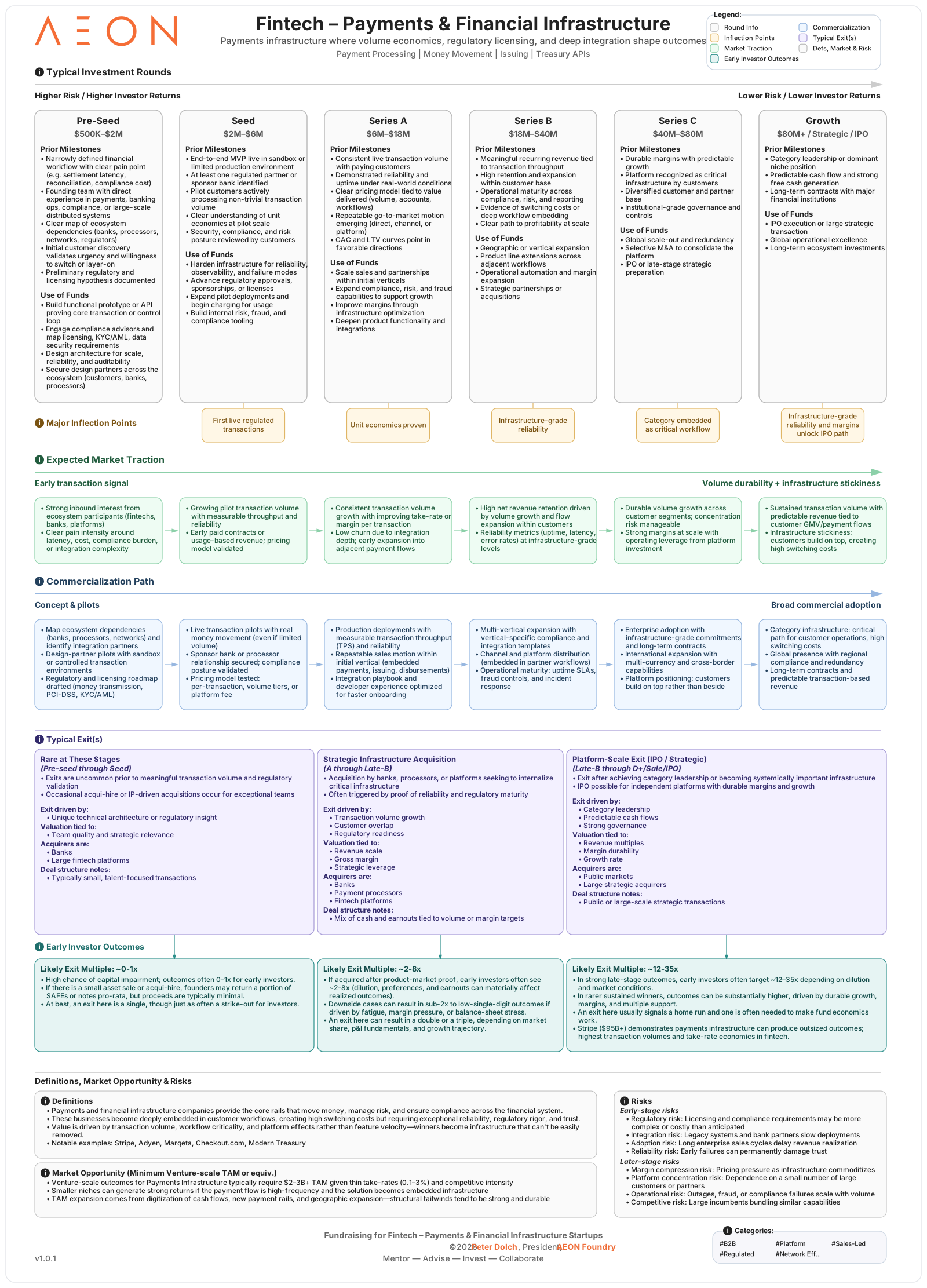
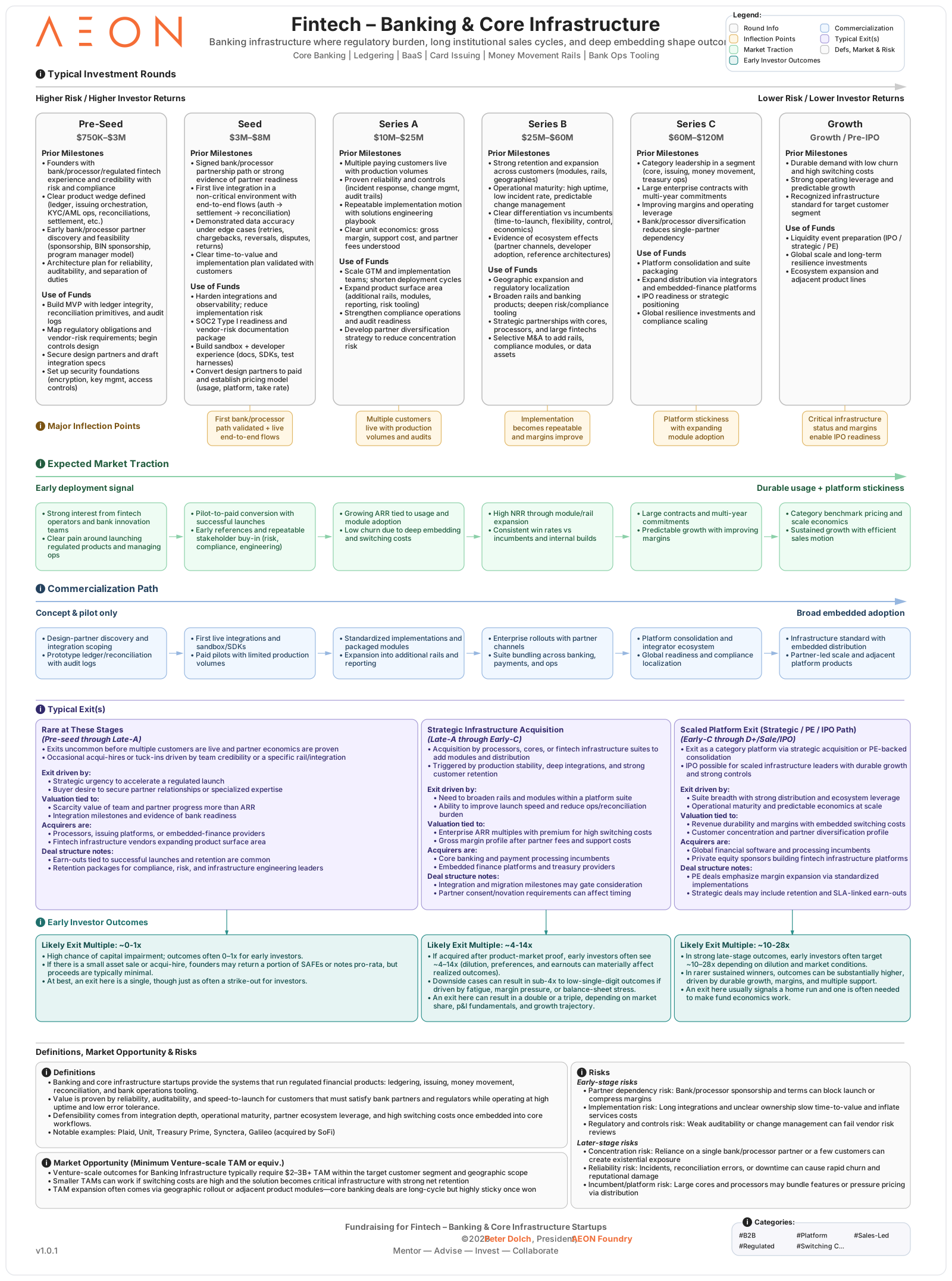
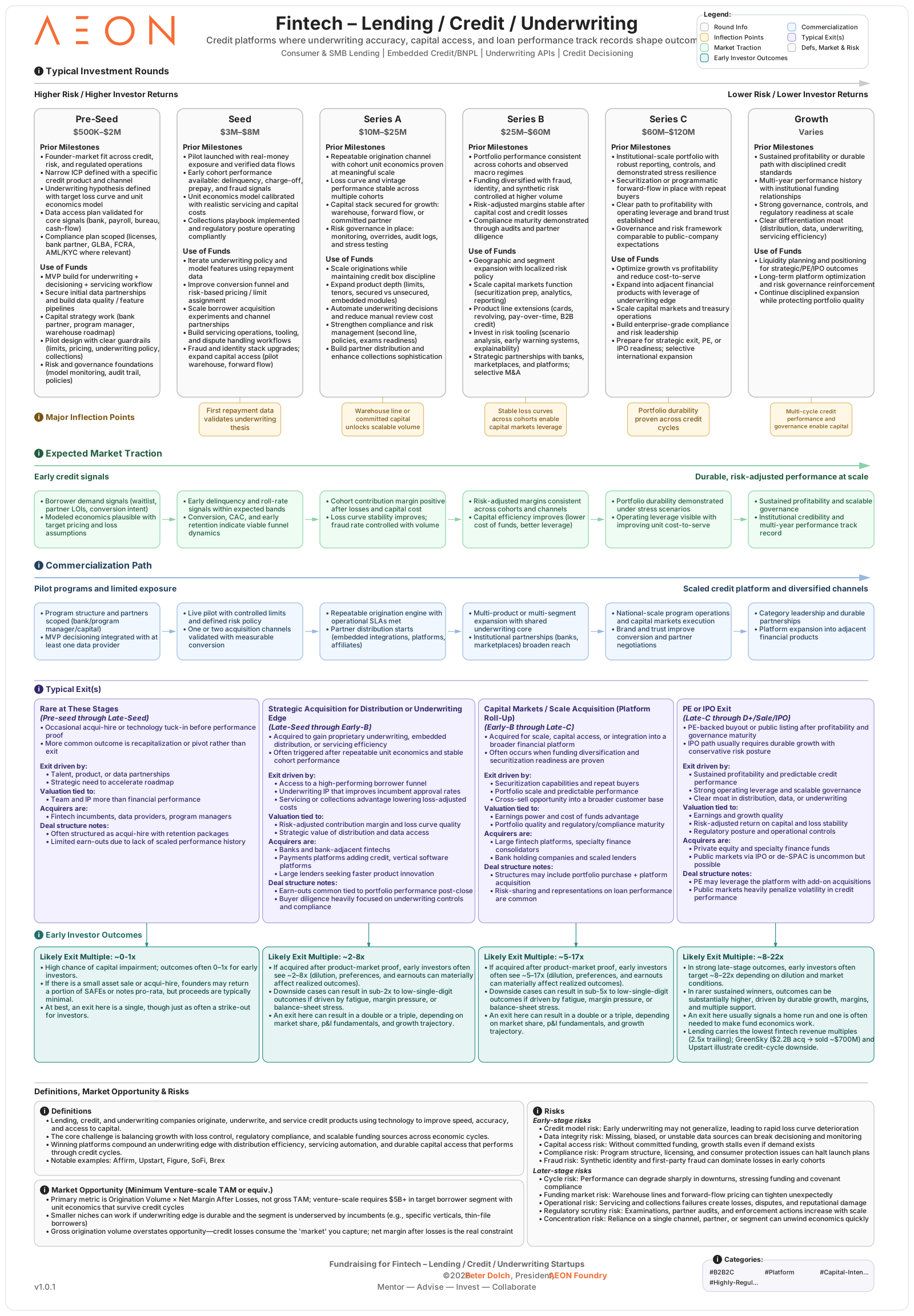
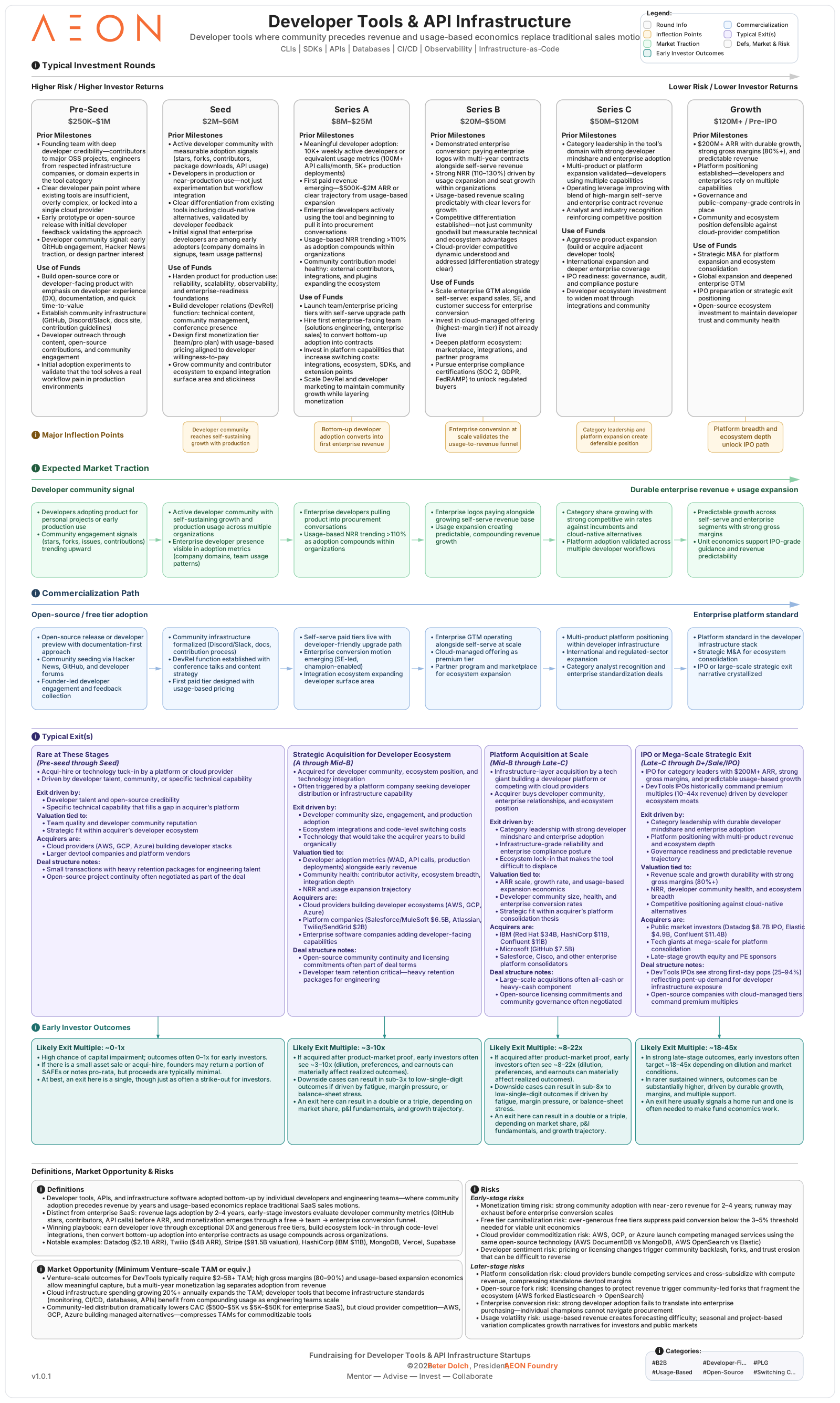
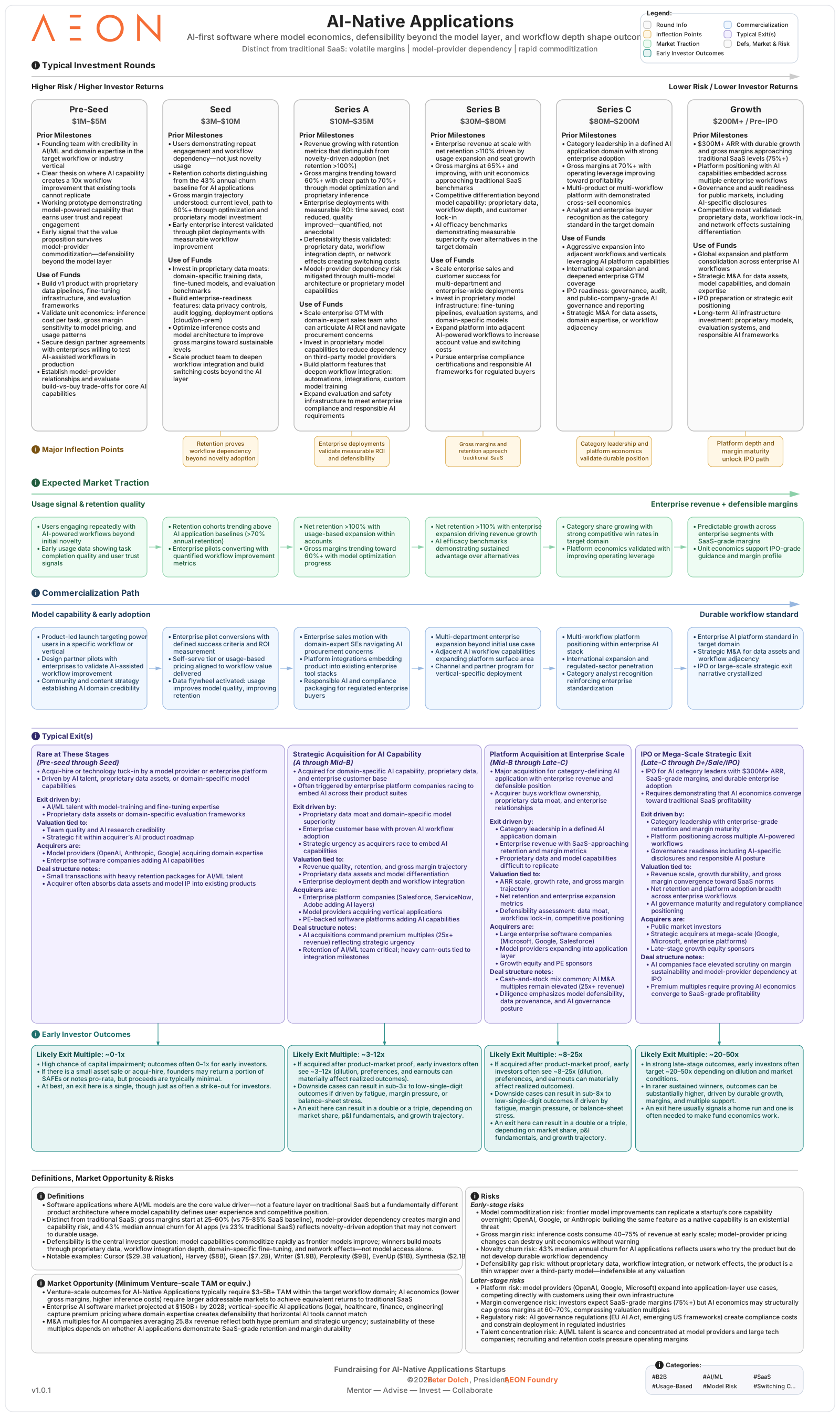
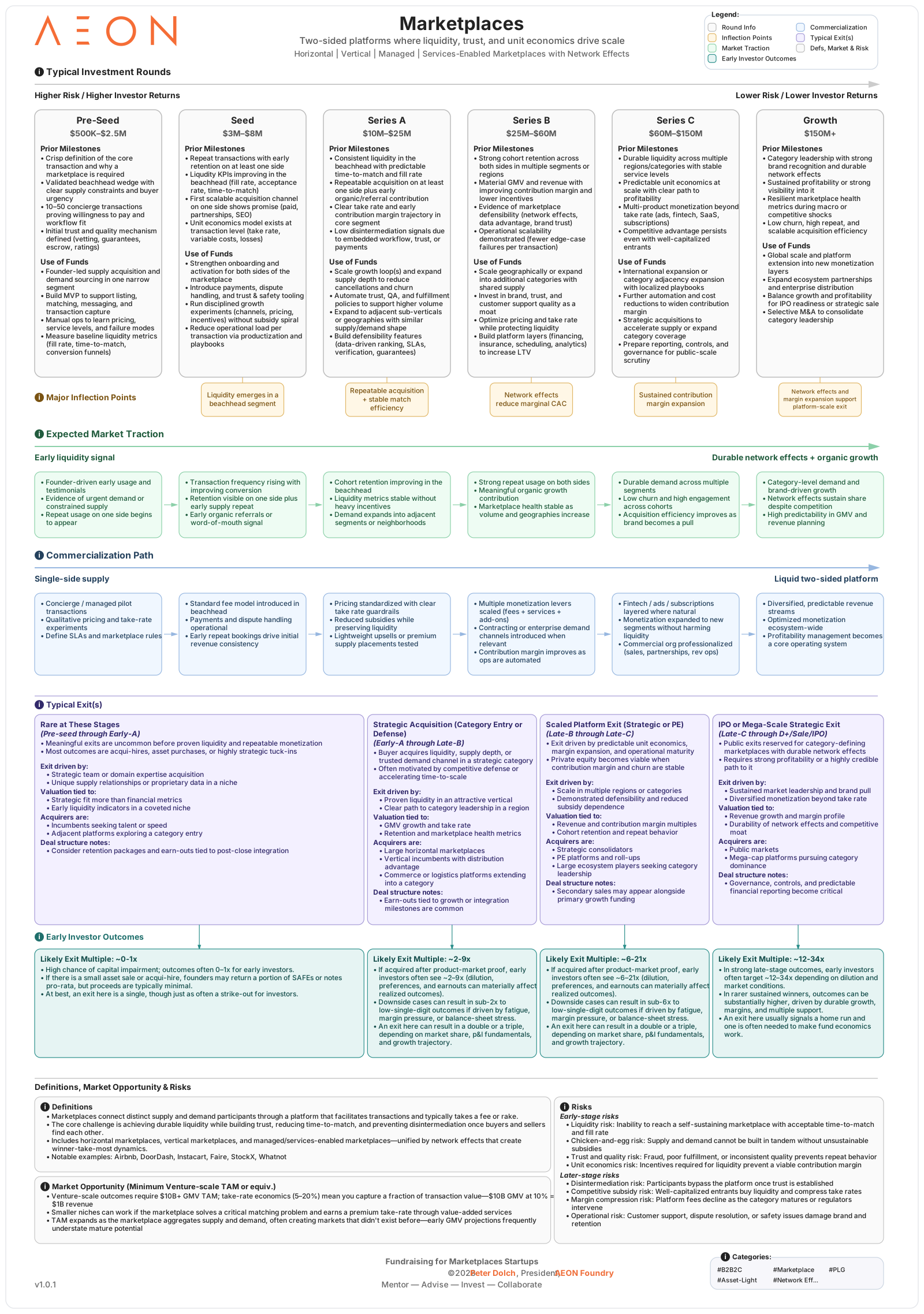
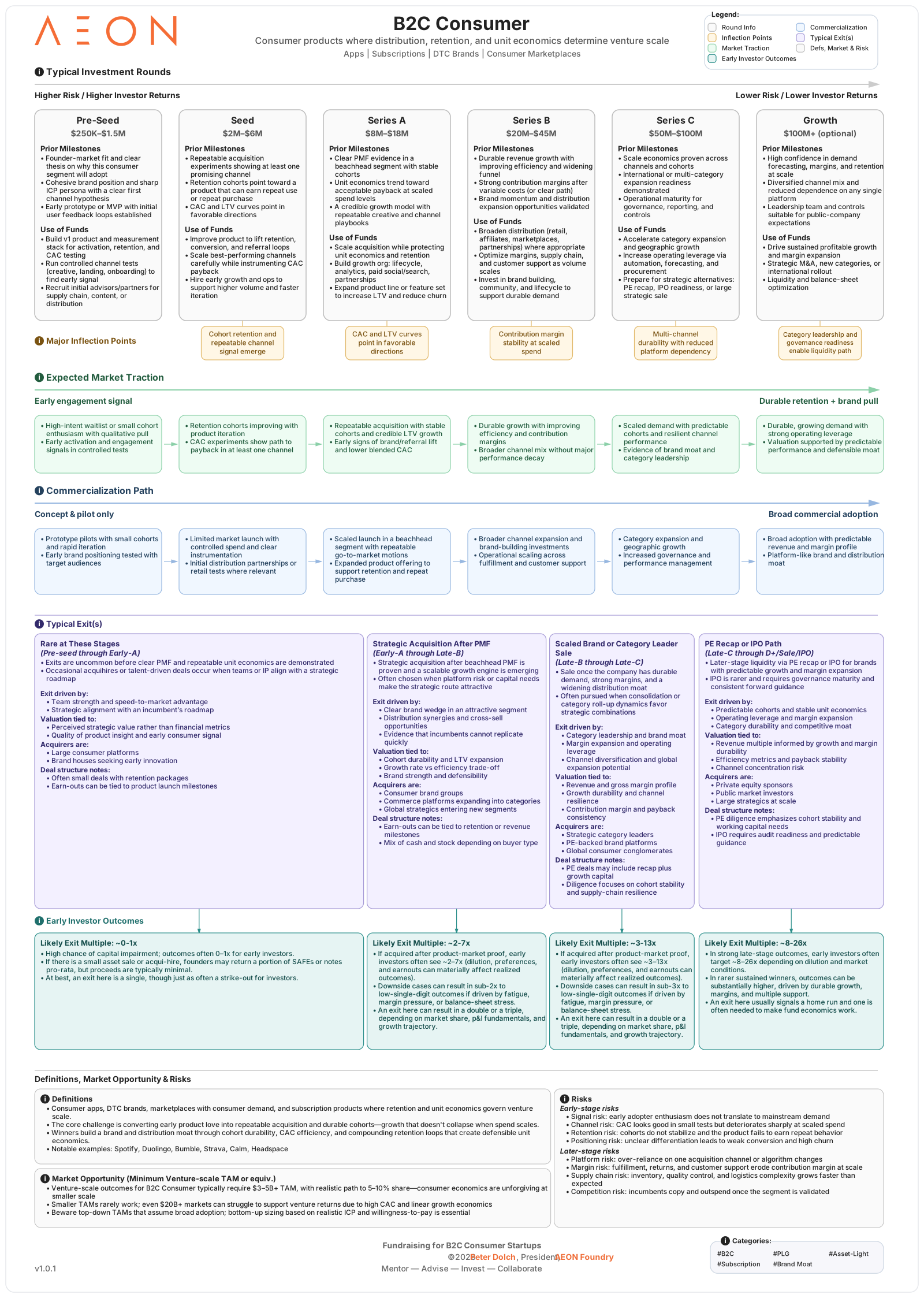
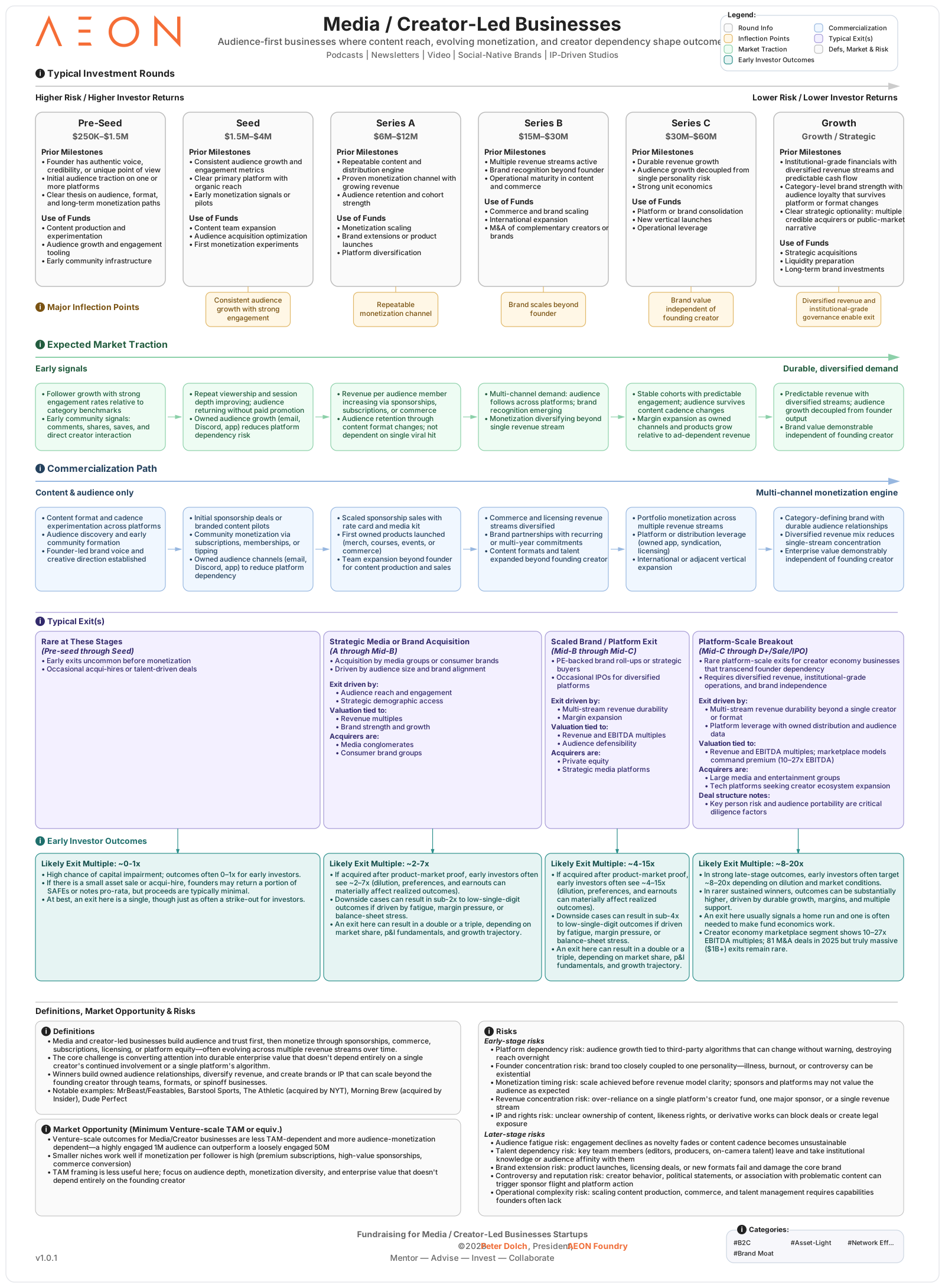
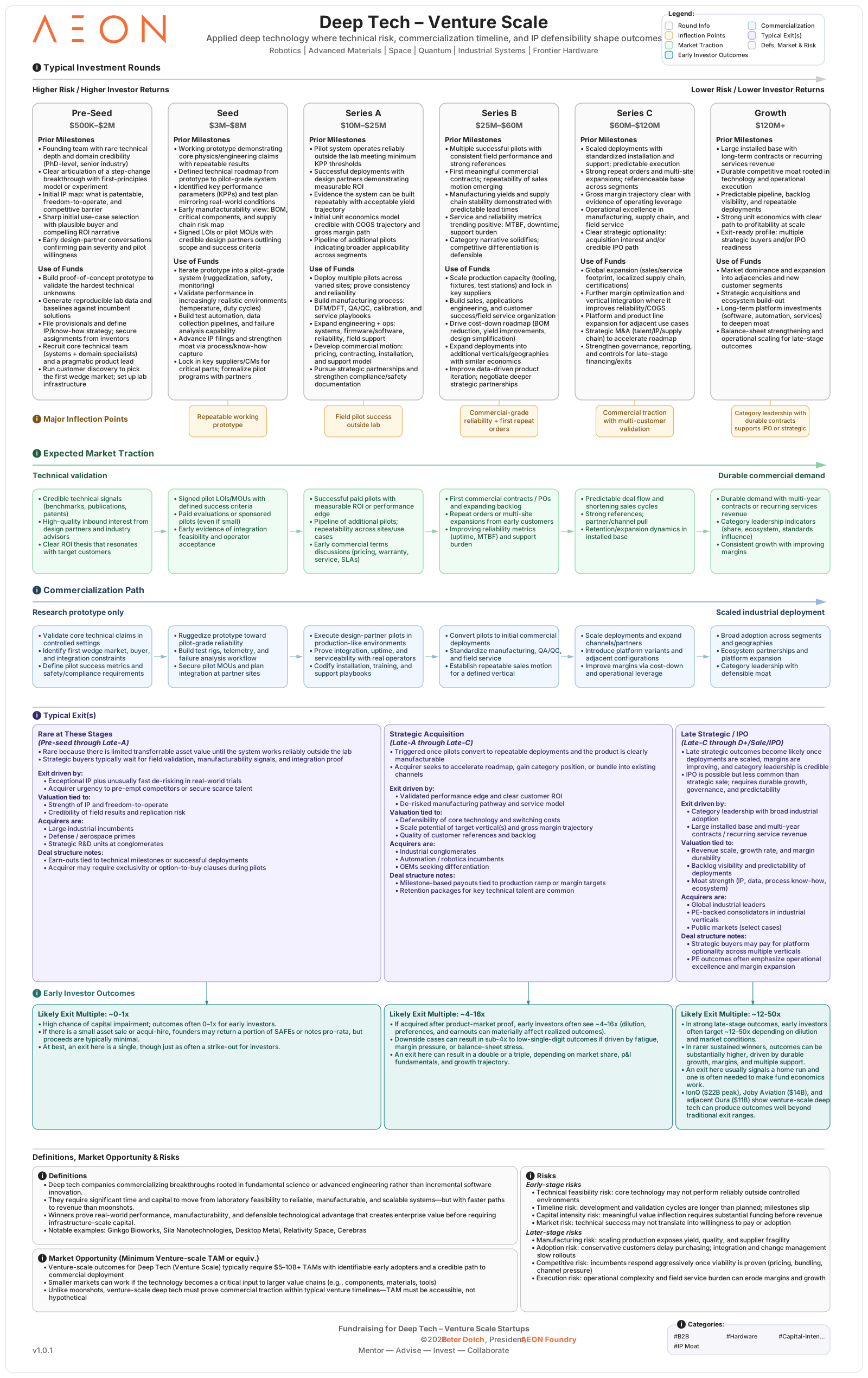
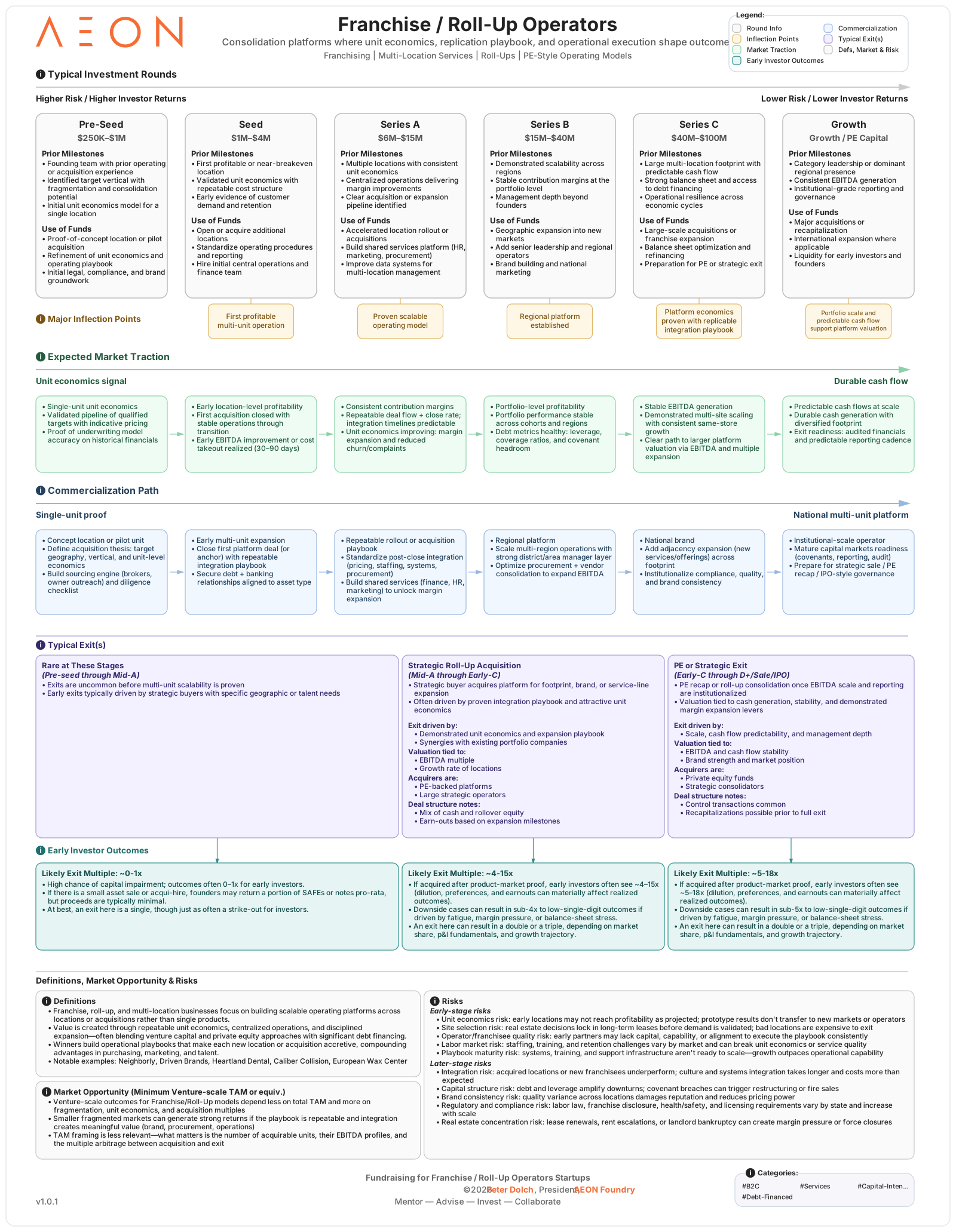
32 archetypes organized into 9 narrative themes
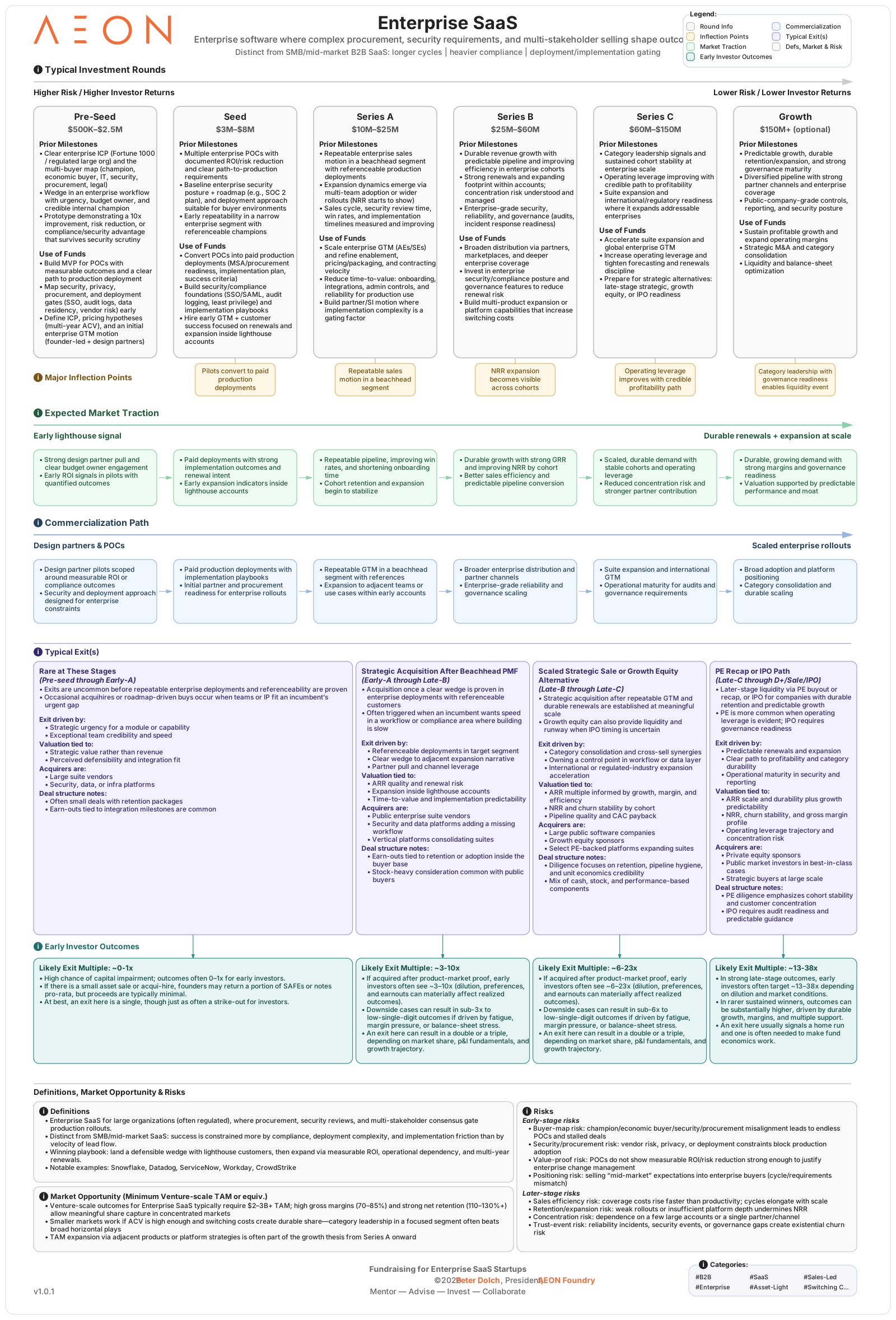
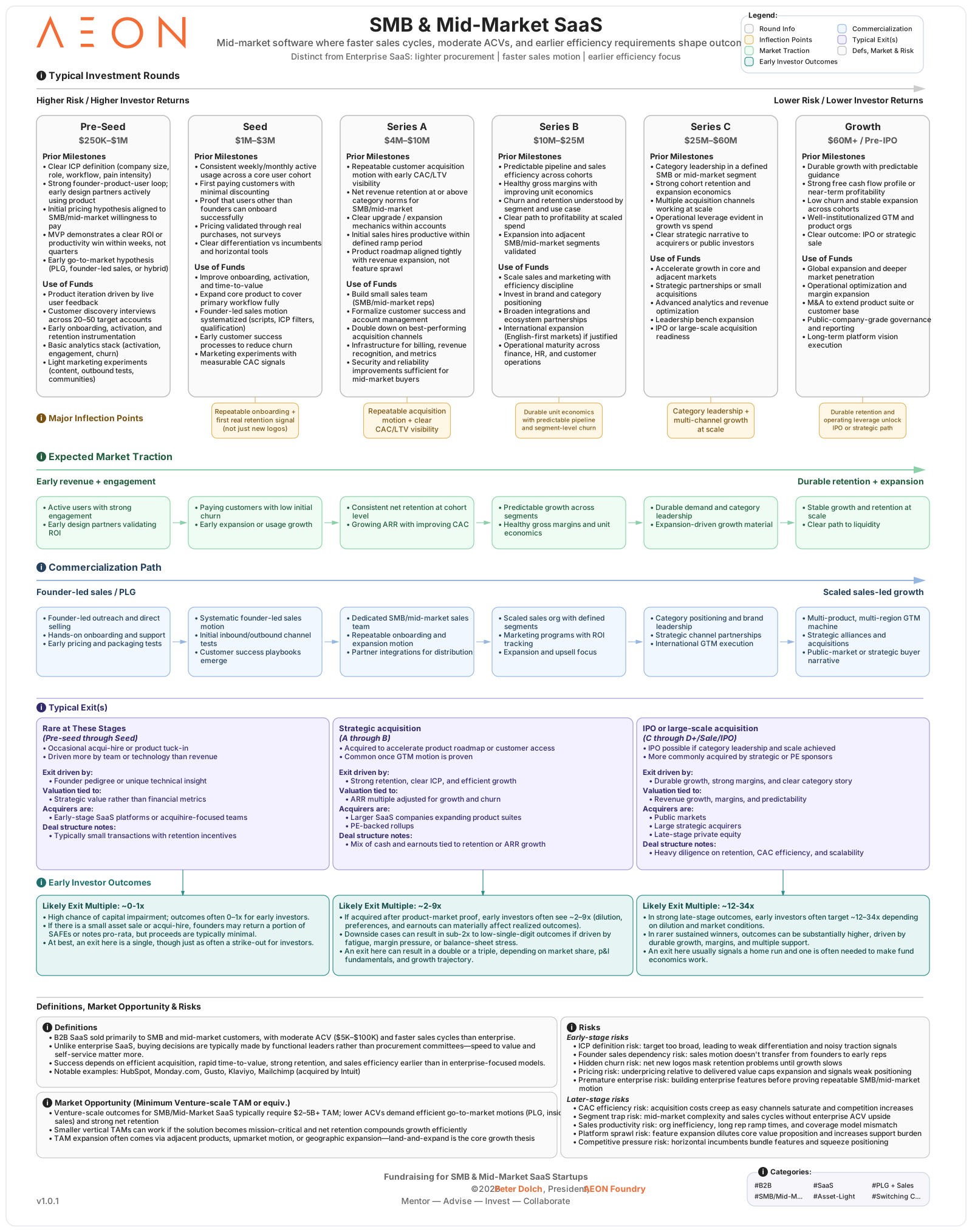
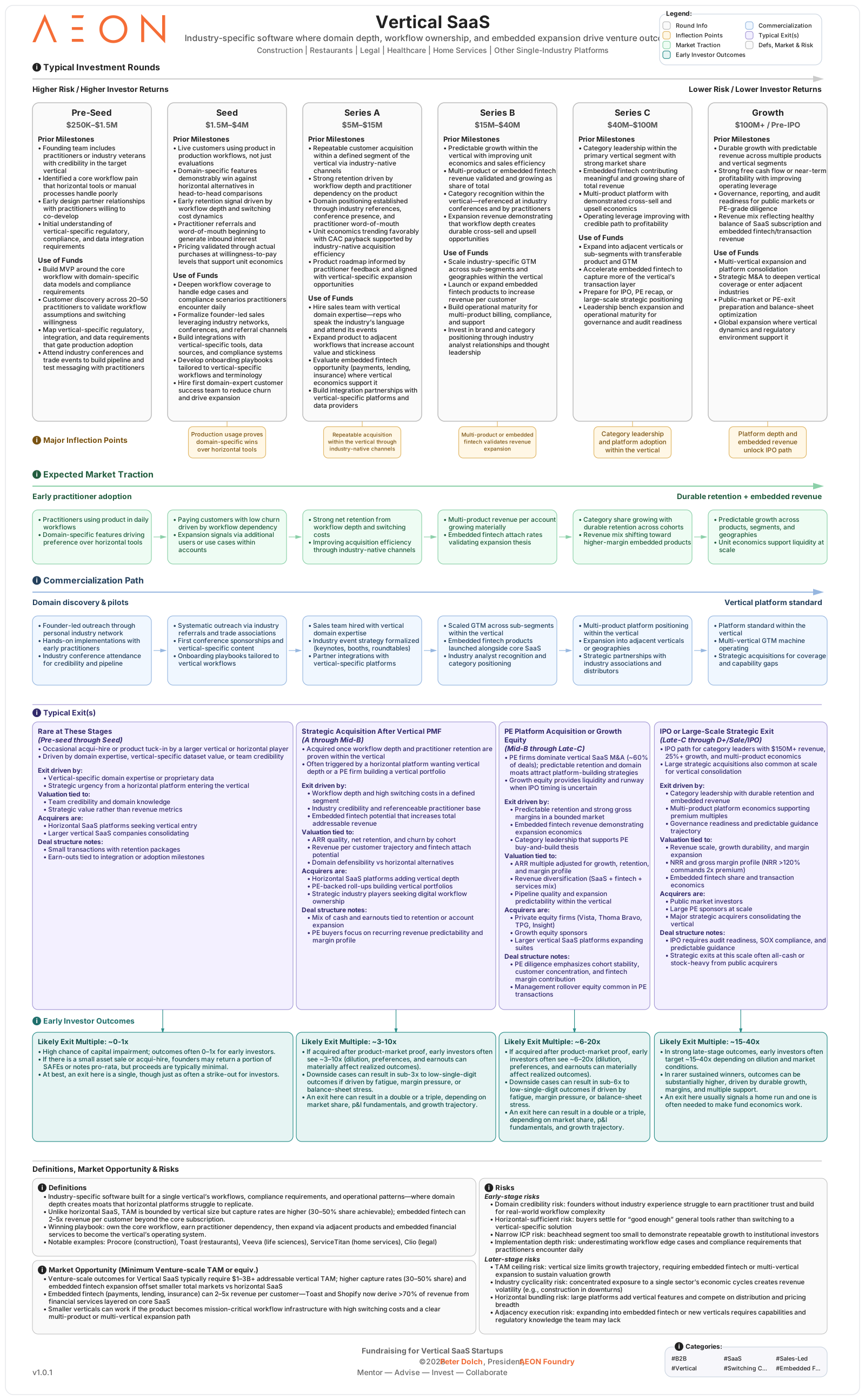
All three sell subscriptions. But Enterprise needs $2M deals and 18-month sales cycles; SMB needs volume and churn management; Vertical needs domain expertise that's nearly impossible to replicate. Same model, completely different proof points at each stage, different exit math. The post that makes founders reconsider which SaaS they're actually building.
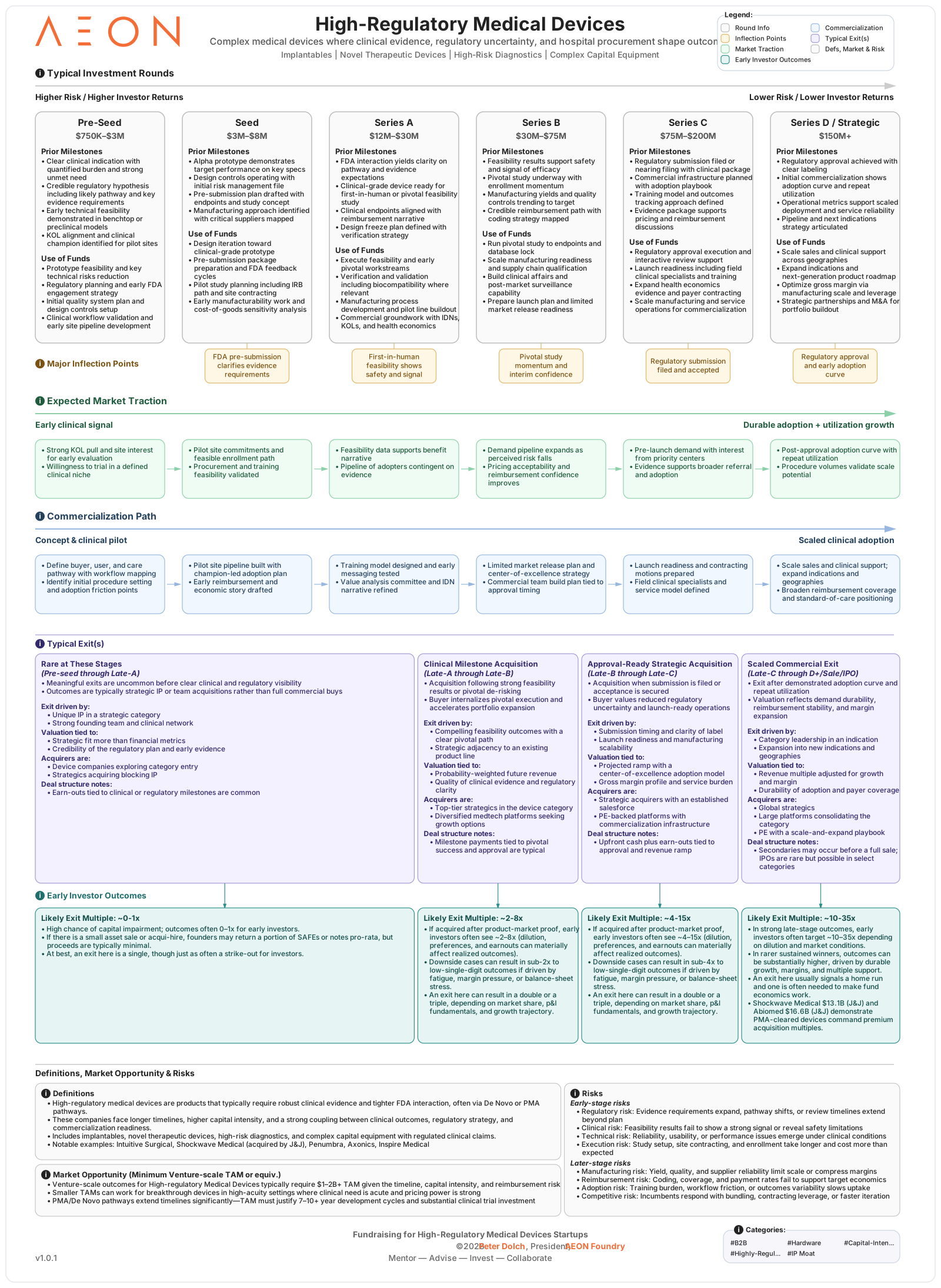
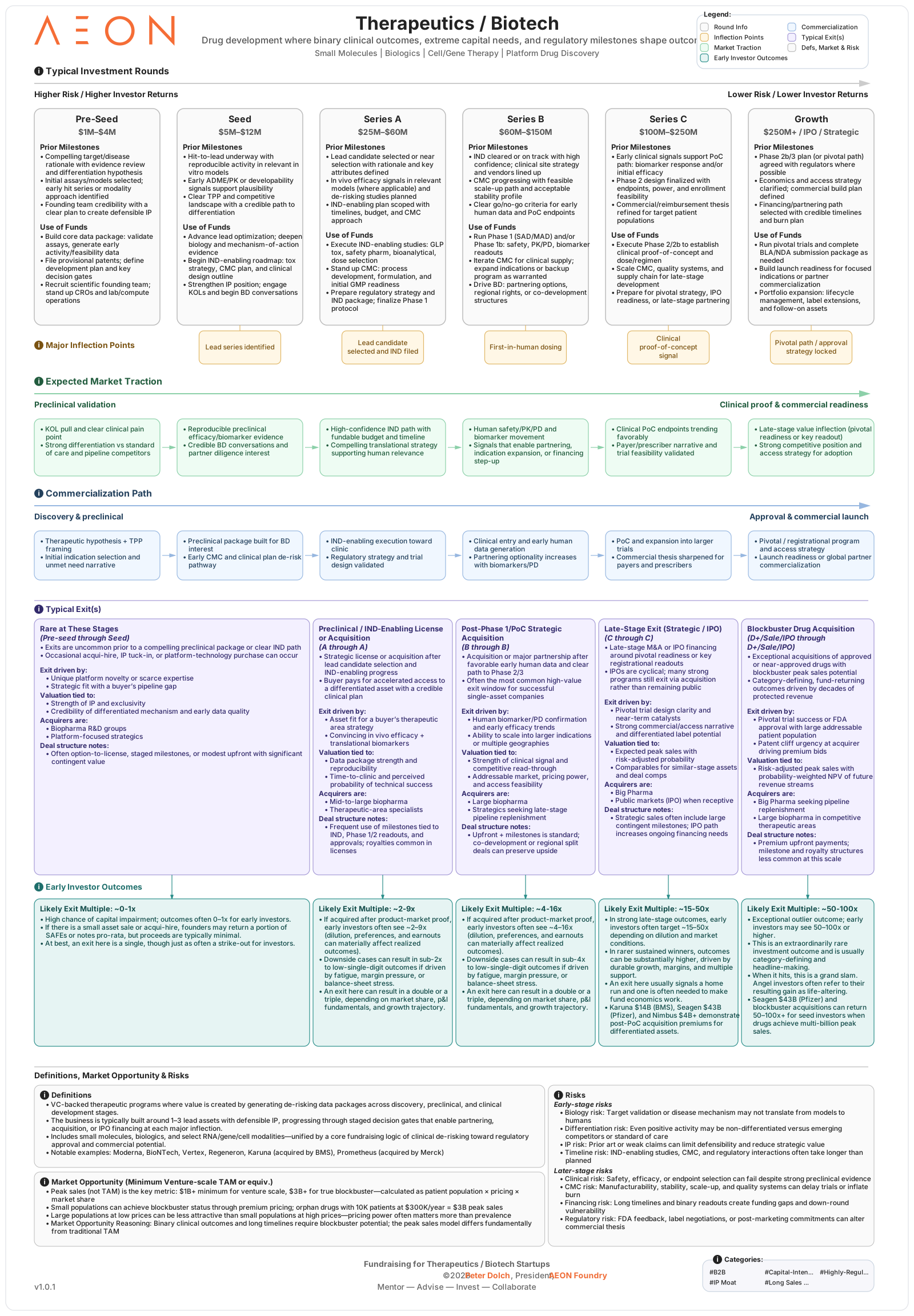
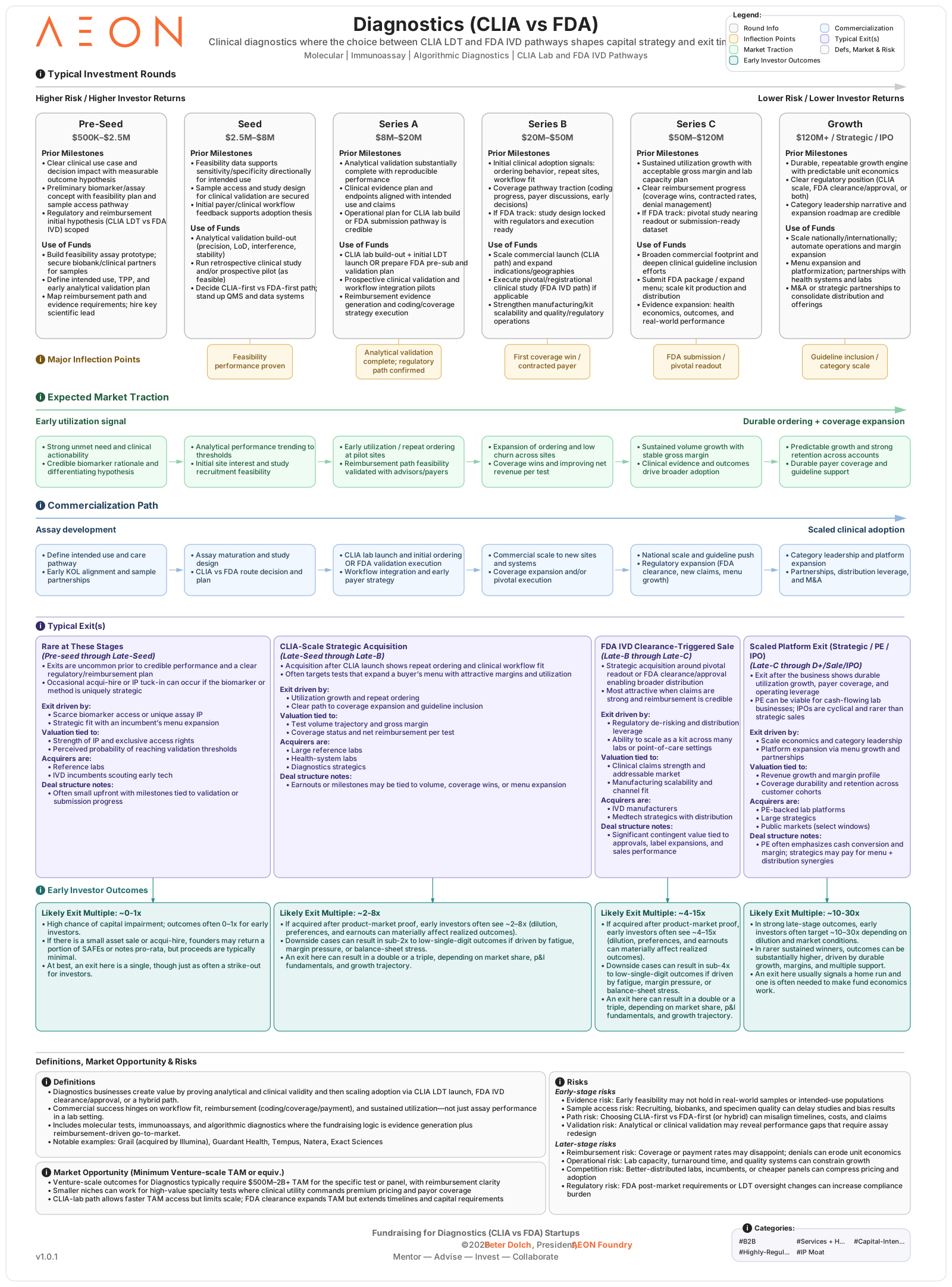
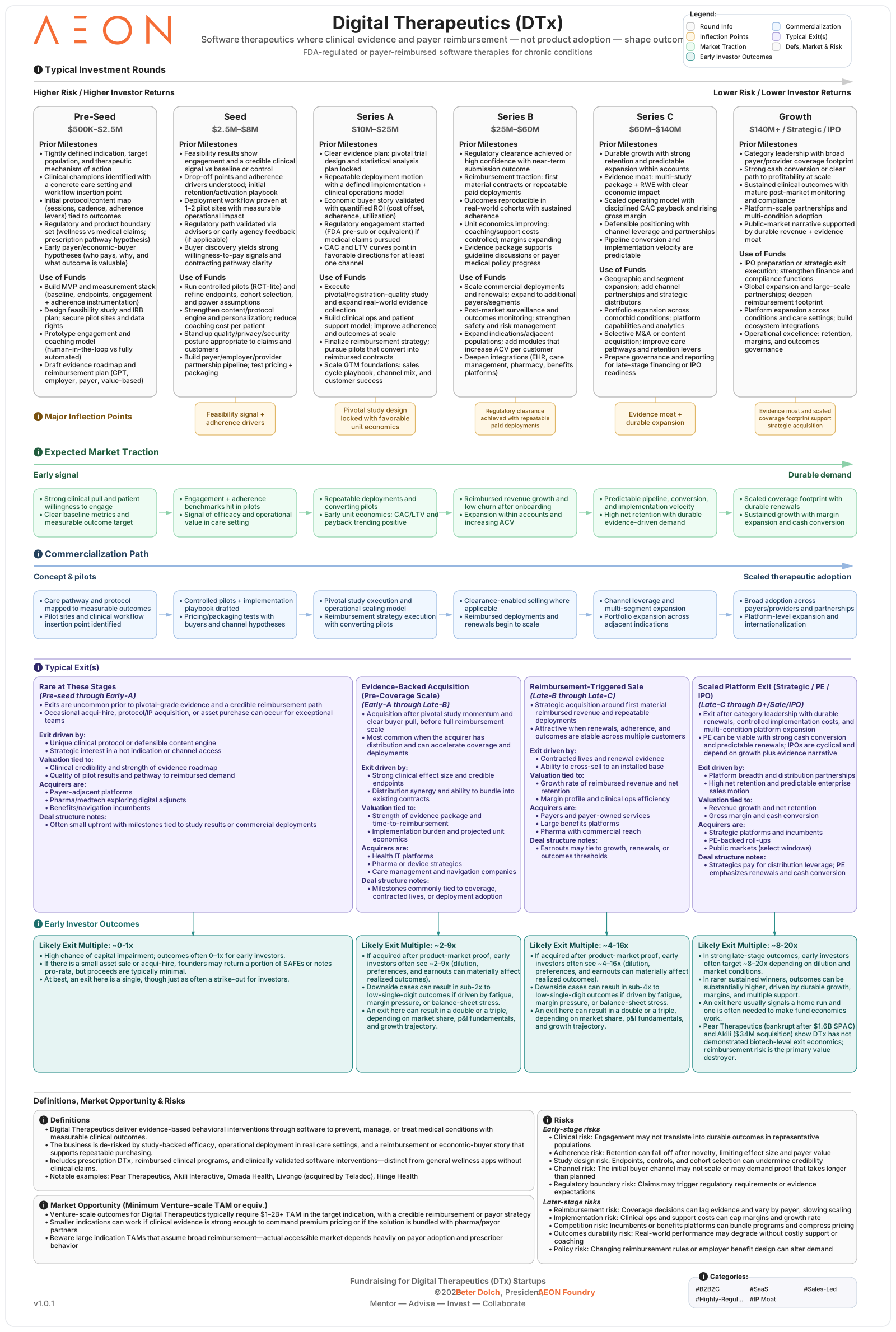
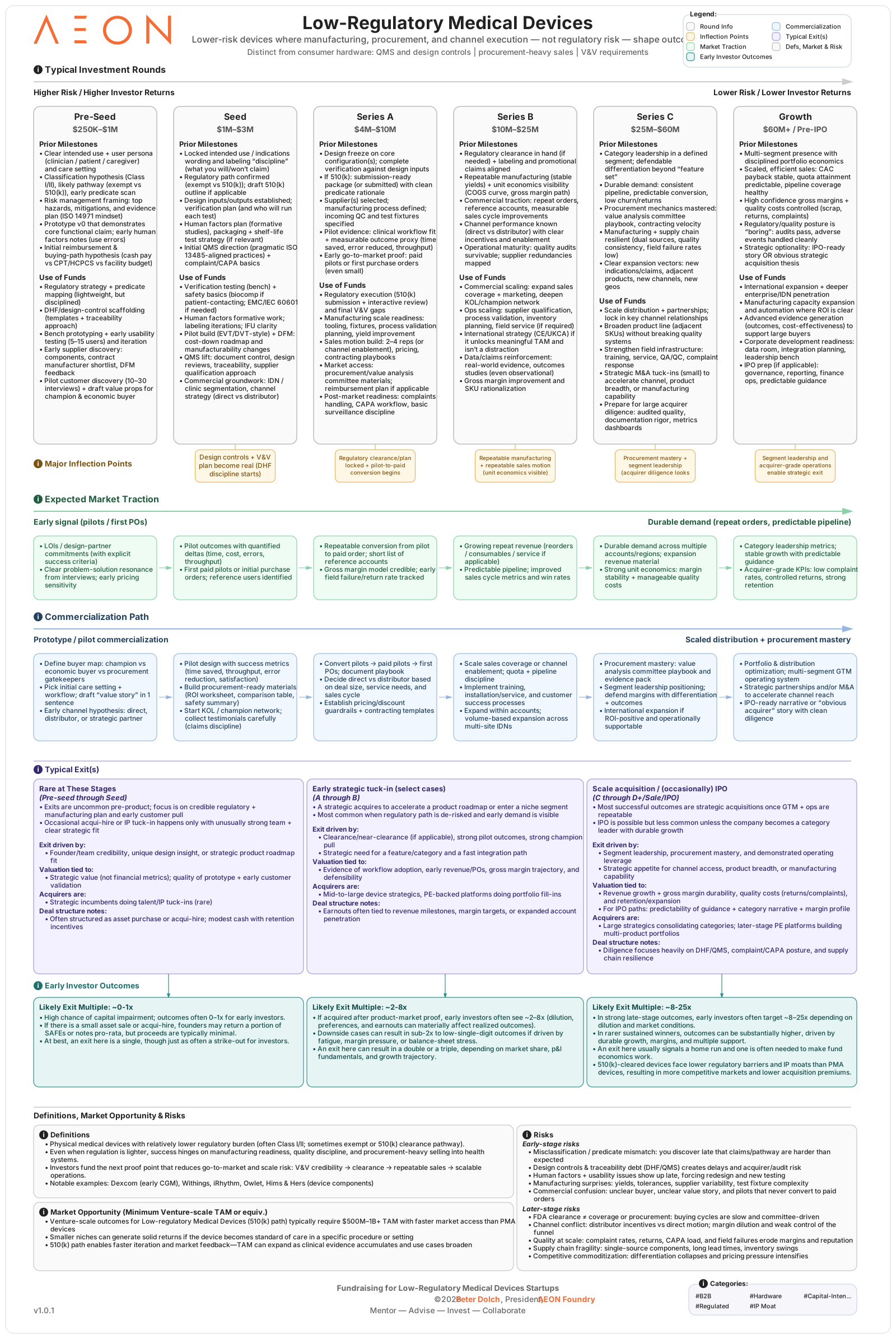
Six ventures, same regulator, wildly different timelines and capital requirements. A DTx can reach market in 2-3 years on $15M; a therapeutic might need 10 years and $200M+. A low-risk device clears 510(k) in months; a software-as-medical-device navigates a regulatory framework still being written. For investors: how to read the regulatory path as the single biggest determinant of returns. For founders: choosing your regulatory lane is choosing your entire company shape.
VC funding models were built for software margins. What happens when you have inventory, manufacturing, shelf space, and spoilage? These archetypes share a common challenge: proving unit economics with physical constraints. For investors: why consumer-product deals look different and why that's not a red flag. For founders: the capital-efficiency tricks that make physical ventures fundable.
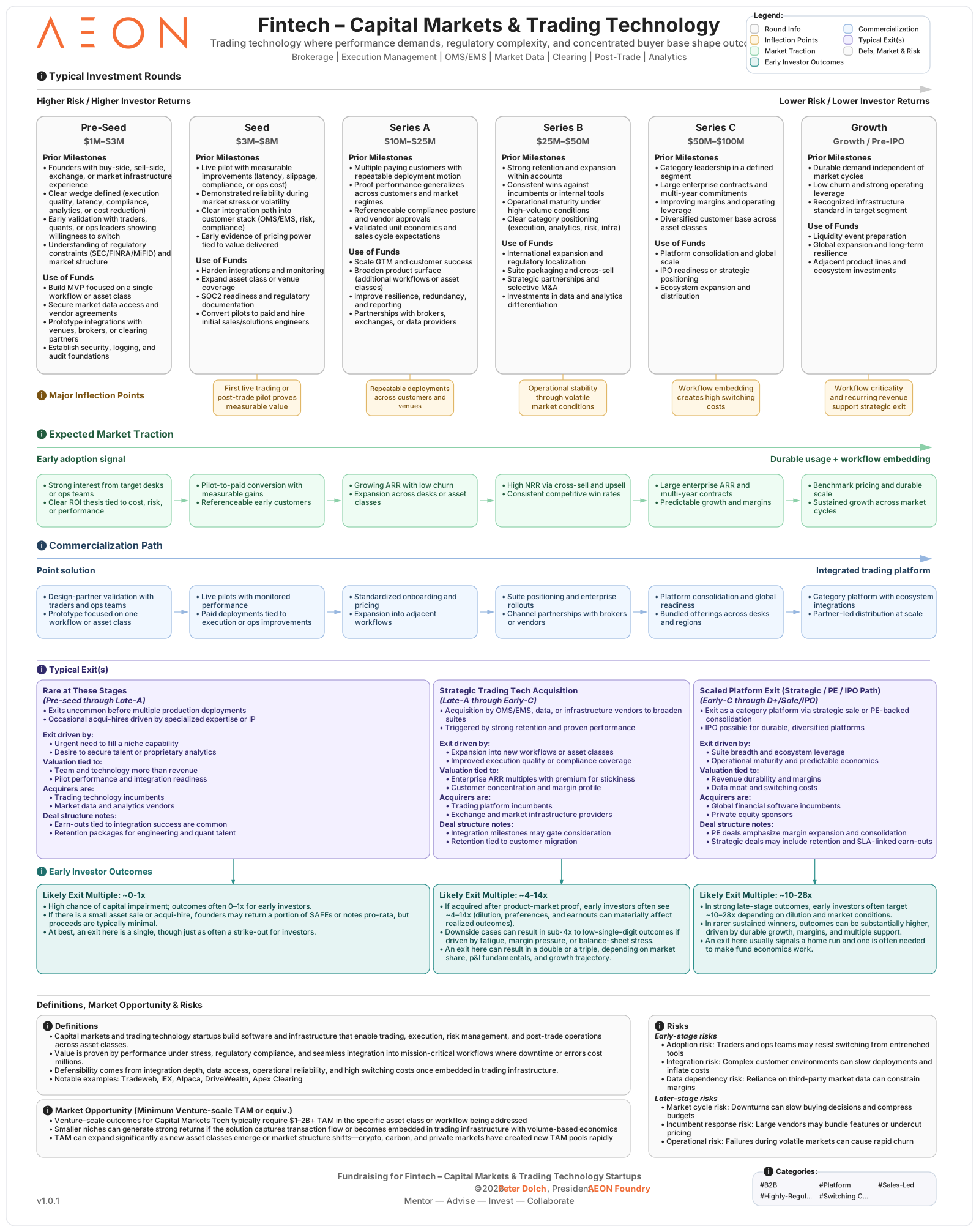
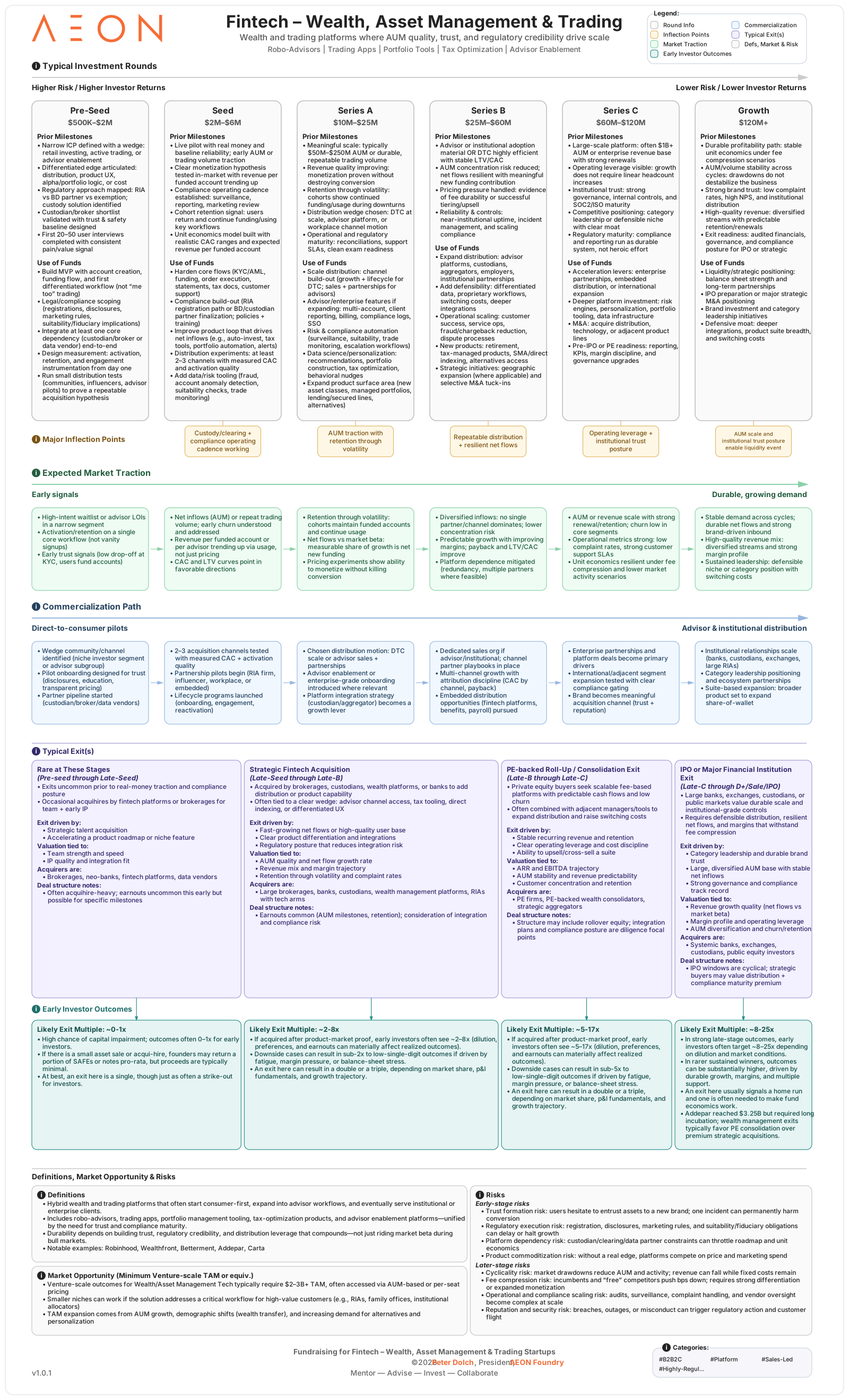
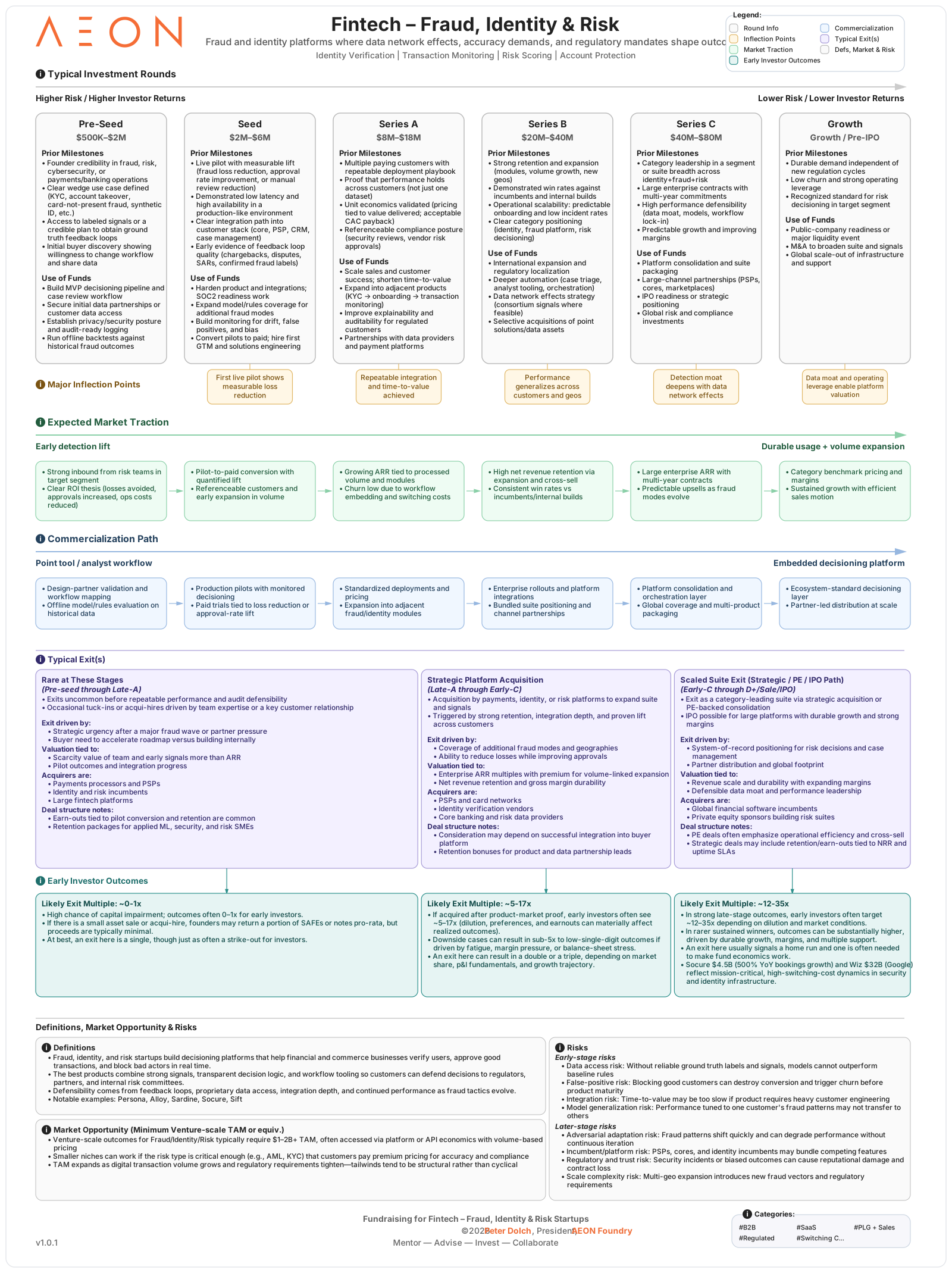
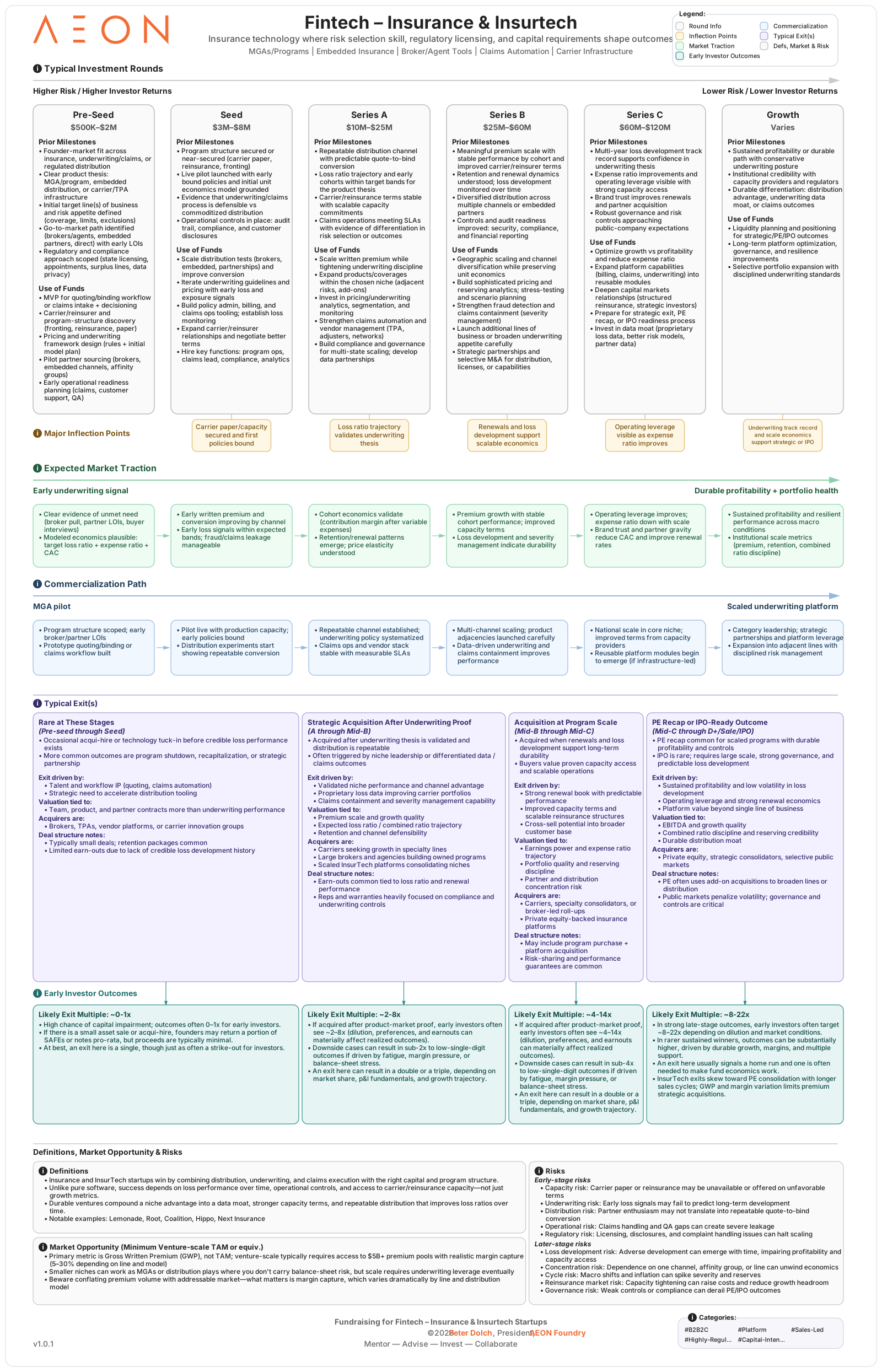
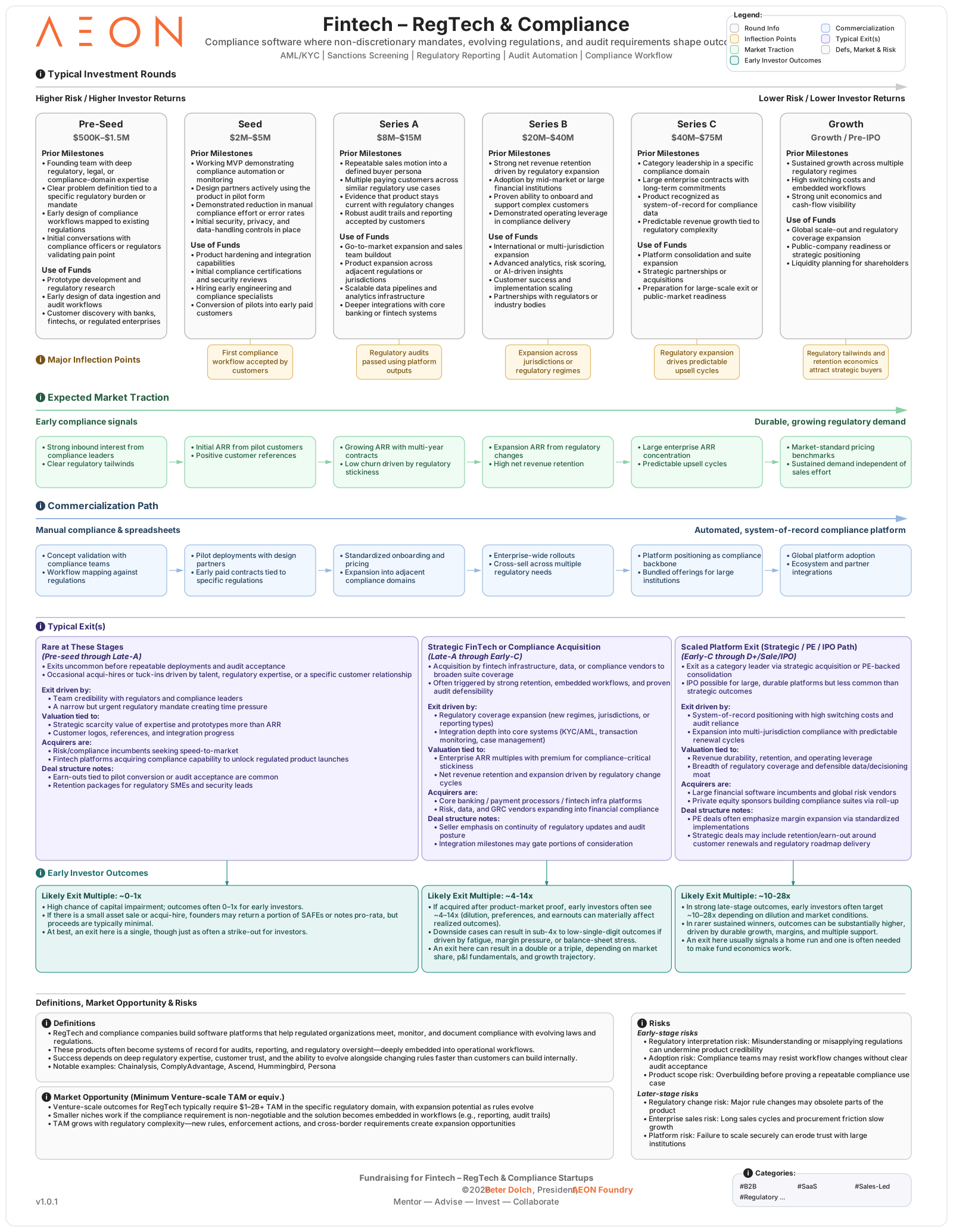
Every layer of finance is being rebuilt — from payment rails to banking core to credit models to trading infrastructure to the wealth platforms advisors and consumers actually use. Each layer has different moats, different regulatory burdens, and different paths to scale. For investors: where in the stack the best risk/reward sits right now. For founders: why your layer determines your Series A story.
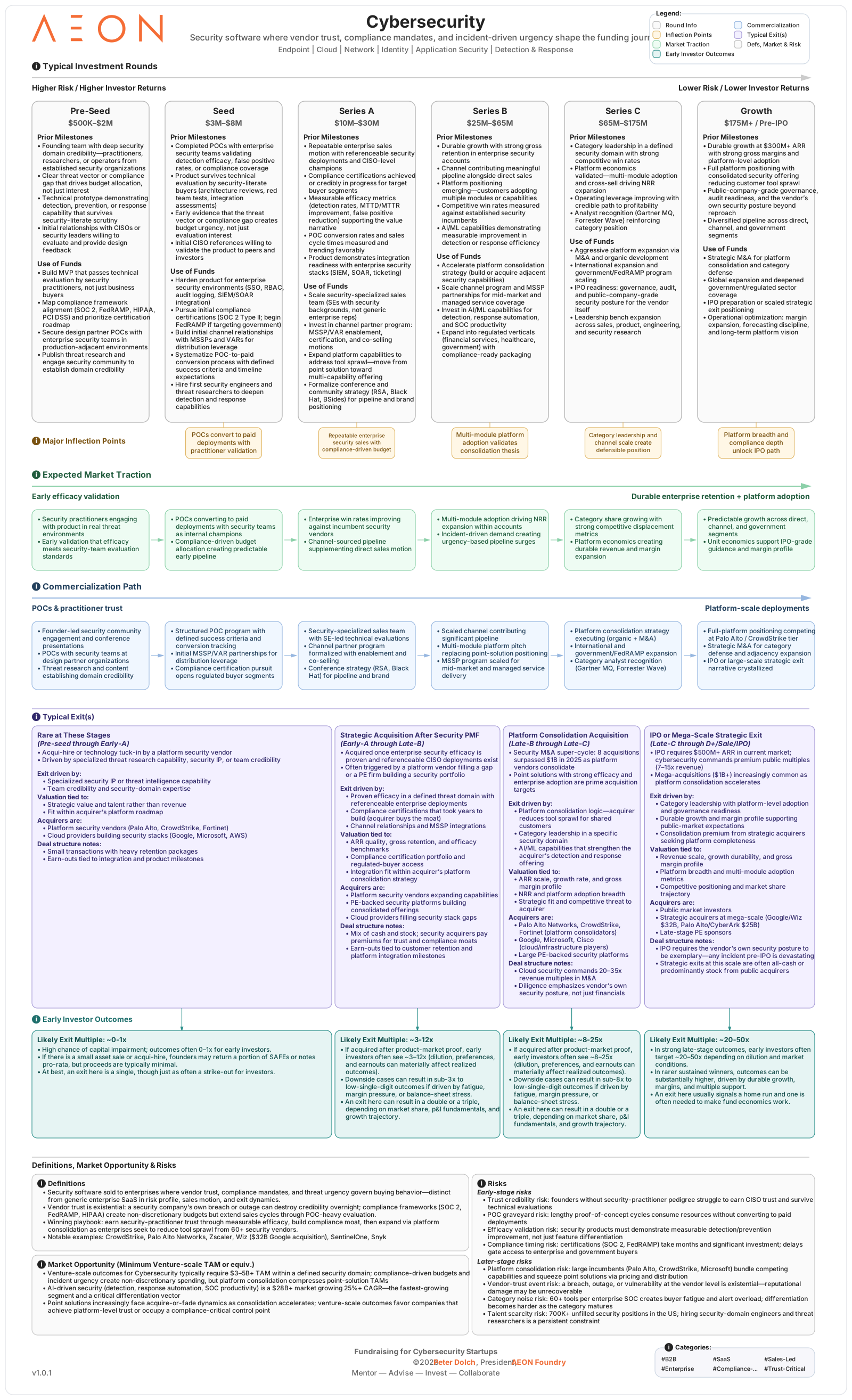
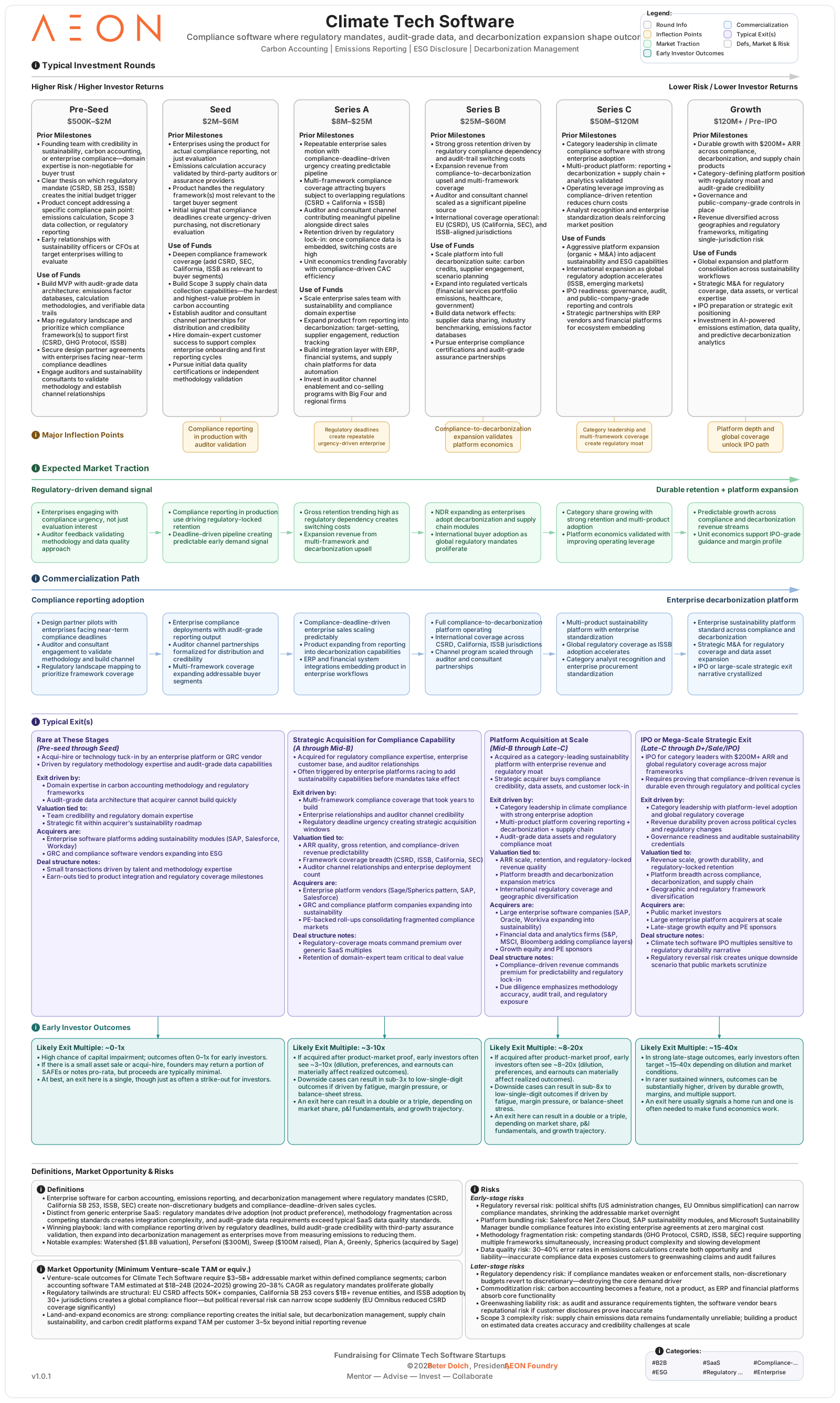
These ventures monetize the downside — breaches, fraud, regulatory fines, emissions penalties. The buying trigger isn't "nice to have," it's "we got hacked," "the auditor is coming," or "the disclosure deadline is next quarter." That changes everything about go-to-market timing, sales cycles, and how you demonstrate value pre-revenue. For investors: why compliance-driven deals close differently. For founders: how to sell prevention before the disaster.
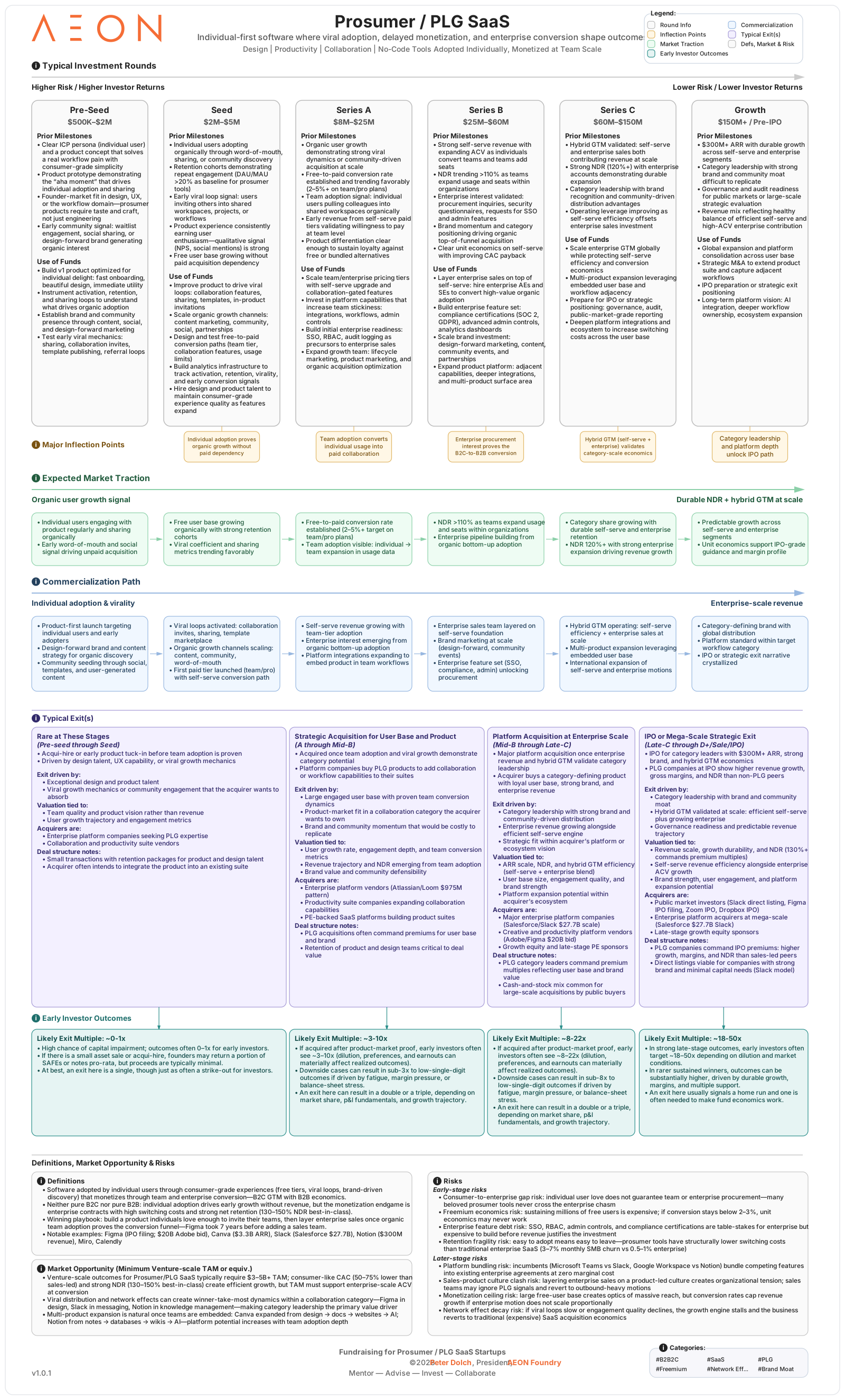
In these archetypes, the first 10,000 users often arrive before the first enterprise contract. Product-led growth flips the traditional funding narrative: instead of proving you can sell, you prove you can convert free users into paying ones. For investors: how to evaluate PLG metrics vs. traditional SaaS. For founders: the transition from viral adoption to enterprise revenue is where most PLG companies stall.
No supply without demand, no demand without supply. These archetypes all face the network-effect chicken-and-egg problem, but solve it differently — subsidies, content, creator incentives, geographic concentration. For investors: how to tell if a marketplace has actually solved cold start or just bought its way to GMV. For founders: the playbook for faking liquidity until you have it.
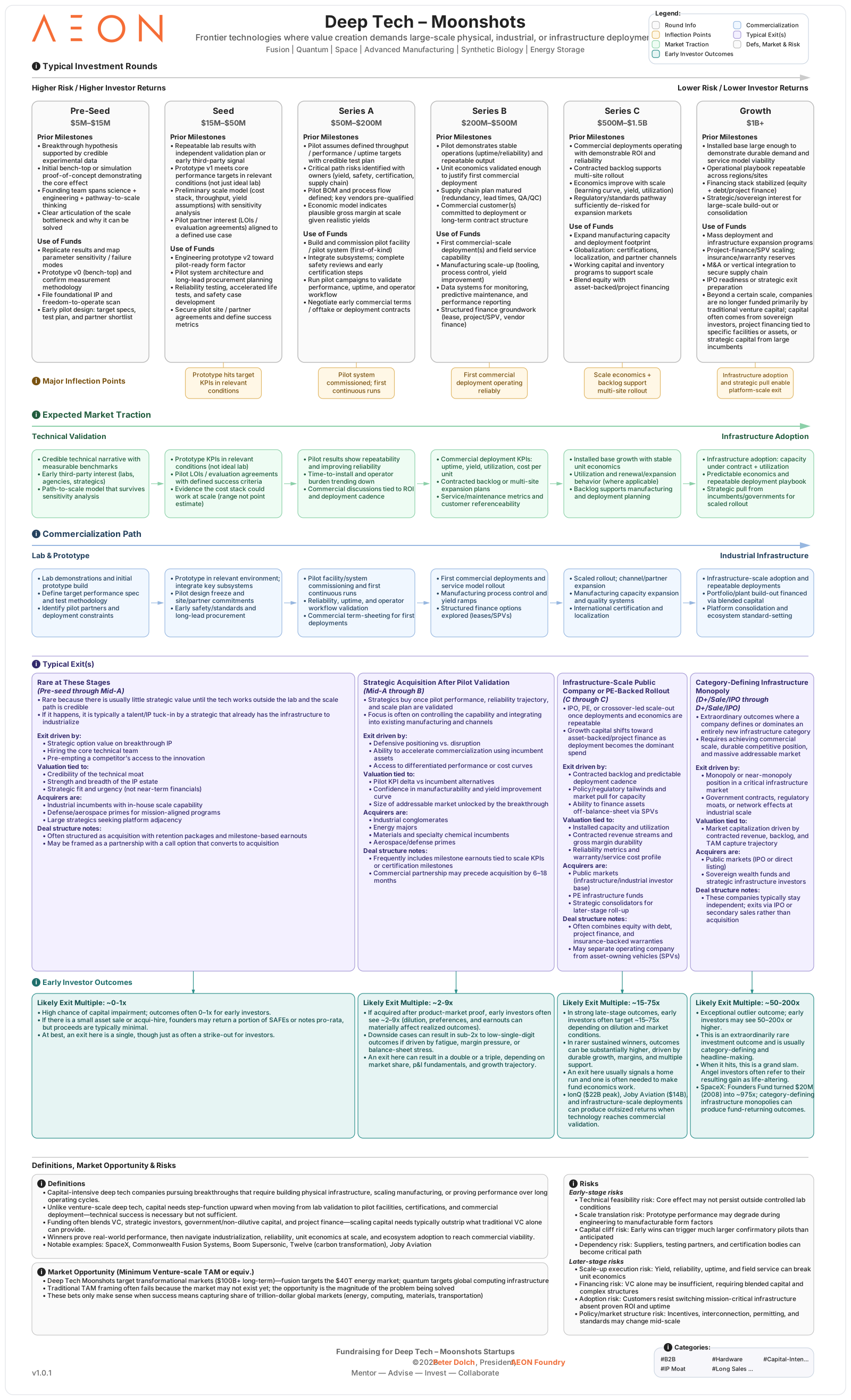
These ventures need investors who understand that the Series A might fund a lab, not a product. Milestone-based funding, non-dilutive grants, strategic partnerships with corporates — the capital stack looks nothing like SaaS. For investors: why traditional VC metrics fail here and what to track instead. For founders: how to build a syndicate that won't lose patience at year 5.
Not every venture-scale outcome starts with a novel technology. Franchise and roll-up models scale through operational discipline, unit-level economics, and replication playbooks — closer to private equity than to Silicon Valley. The capital stack blends equity with debt, and the proof points are EBITDA margins and location-level performance, not MRR or DAUs. For investors: how to underwrite operational leverage instead of product-market fit. For founders: building the machine that builds the machines.